










Is It Better to Use Vitamin C or Hyaluronic Acid?
- 1 What Is Vitamin C in Skincare?
- 2 What Is Hyaluronic Acid?
- 3 Vitamin C vs Hyaluronic Acid: What’s the Difference?
- 4 Is It Better to Use Vitamin C or Hyaluronic Acid?
- 5 When Should You Use Vitamin C?
- 6 When Should You Use Hyaluronic Acid?
- 7 Can You Use Vitamin C and Hyaluronic Acid Together?
- 8 Conclusion

Medically Reviewed By:
Dr. Neeraj Bansal, BAMS
Written by Our Editorial Team
Dr. Neeraj Bansal, BAMS
Written by Our Editorial Team
Medically Reviewed By:About the Reviewer
Vitamin C and hyaluronic acid are two of the most commonly used ingredients in skincare, but they serve very different purposes. One important fact is that hyaluronic acid can hold up to 1000 times its weight in water, which helps keep the skin hydrated and plump, while vitamin C works as an antioxidant that protects the skin from environmental damage. Because they target different skin concerns, choosing between them depends on what your skin needs rather than which one is “better.” Understanding how each works can help you use them more effectively.
What Is Vitamin C in Skincare?
Vitamin C, also known as ascorbic acid, is an active ingredient used for brightening and protecting the skin. It works mainly as an antioxidant, which means it helps protect skin cells from damage caused by pollution and UV exposure.
It also plays a role in reducing pigmentation by controlling melanin production and supports collagen synthesis, which helps maintain skin firmness. This makes vitamin C useful for improving dull skin, dark spots and uneven tone. However, stronger forms of vitamin C may cause mild irritation for sensitive skin if not used properly.
What Is Hyaluronic Acid?
Hyaluronic acid is a naturally occurring substance found in the skin that helps retain moisture. Its main role is to bind water and keep the skin hydrated. When applied topically, it attracts moisture to the skin surface, making it look softer and more plump.
It also supports the skin barrier, which helps prevent moisture loss and protects the skin from external irritation. Because it is gentle and non-irritating, hyaluronic acid is suitable for almost all skin types, including sensitive and acne-prone skin.
Vitamin C vs Hyaluronic Acid: What’s the Difference?
|
Basis |
Vitamin C |
Hyaluronic Acid |
|
Primary Role |
Antioxidant, brightening |
Hydration, moisture retention |
|
Key Action |
Reduces oxidative stress, controls pigmentation |
Binds water and improves hydration |
|
Skin Concern |
Dullness, dark spots, uneven tone |
Dryness, dehydration, fine lines |
|
Skin Type |
Most skin types, may irritate sensitive skin |
Suitable for all skin types |
|
Usage Time |
Morning preferred |
Morning and night |
|
Sensitivity |
Can cause mild irritation in higher strengths |
Generally non-irritating |
Is It Better to Use Vitamin C or Hyaluronic Acid?
There is no single answer because both ingredients serve different roles. Vitamin C focuses on treating skin concerns like hyper-pigmentation, dullness and environmental damage, while hyaluronic acid focuses on hydration and maintaining skin balance.
Instead of choosing one over the other, it is more effective to use them based on your skin needs. In many routines, both are used together because they complement each other. Hydrated skin responds better to active ingredients, which makes hyaluronic acid a good support for vitamin C.

Vitamin C - Face Serum
Dull, uneven skin, dark spots, and acne marks can make you look tired and affect your confidence. Whether caused by s...
Shop Now →When Should You Use Vitamin C?
-
When you want to reduce dark spots and pigmentation
-
If your skin looks dull or uneven
-
To protect the skin from pollution and UV-related damage
-
When improving overall skin brightness is the goal
In many routines, vitamin C is used through lightweight formulations like serums for better absorption. Products such as vitamin C face serums are commonly designed to deliver antioxidants effectively, helping improve skin tone over time when used consistently.
When Should You Use Hyaluronic Acid?
-
When your skin feels dry or dehydrated
-
To improve hydration and skin softness
-
To support the skin barrier and reduce moisture loss
-
If you have sensitive skin and need a gentle ingredient
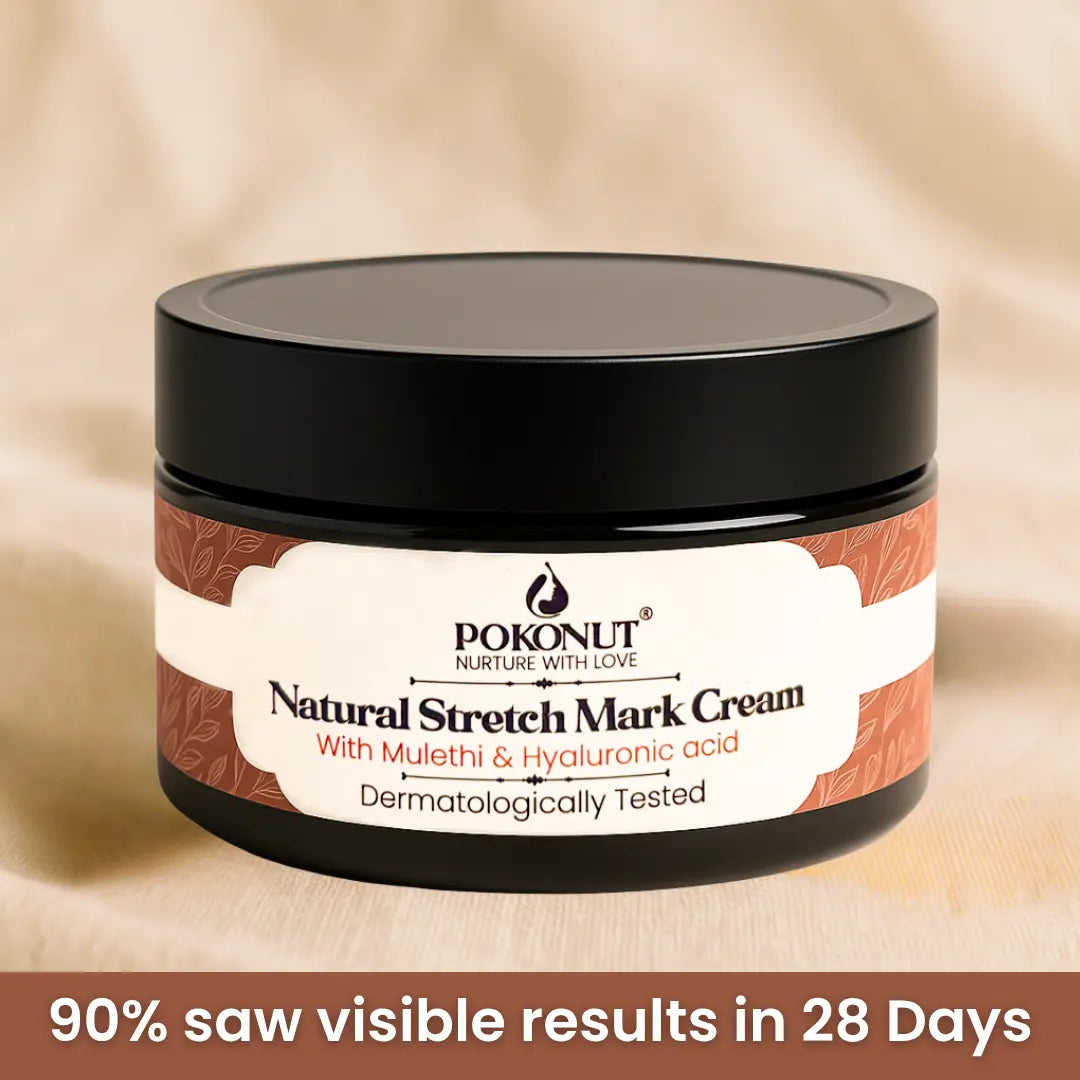
Hyaluronic acid is often included in creams and formulations that focus on improving skin elasticity and moisture retention. Products like stretch mark creams, which combine hydration-supporting ingredients, are typically designed to improve skin texture and maintain long-term hydration balance.
Can You Use Vitamin C and Hyaluronic Acid Together?
Yes, vitamin C and hyaluronic acid can be used together because they work in different ways. Hyaluronic acid helps hydrate the skin, while vitamin C helps treat and protect it. Using both together can improve overall skin health.
A simple approach is to apply hyaluronic acid on slightly damp skin to lock in moisture, followed by vitamin C to target pigmentation and environmental damage. This combination helps maintain hydration while improving skin clarity over time.
Conclusion
Vitamin C and hyaluronic acid serve different but complementary roles in skincare. Vitamin C acts as an antioxidant and supports pigmentation control, while hyaluronic acid improves hydration and barrier function. They are not substitutes for each other but work better when used based on skin needs. A balanced routine that includes both can support healthier, more stable skin over time.
About Doctor :