









Can Dehydration Cause Breakouts? Signs Your Skin Lacks Water
- 1 What Is Skin Dehydration?
- 2 How Dehydrated Skin Can Lead to Breakouts
- 3 Signs Your Skin Lacks Water
- 4 Common Causes of Skin Dehydration
- 5 How to Fix Dehydrated Skin Without Causing Breakouts
- 6 Why Sun Protection Matters for Dehydrated, Breakout-Prone Skin
- 7 What to Avoid If Your Skin Is Dehydrated and Breaking Out

Medically Reviewed By:
Dr. Mousumi Dash, BAMS
Written by Our Editorial Team
Dr. Mousumi Dash, BAMS
Written by Our Editorial Team
Medically Reviewed By:About the Reviewer
Dehydration does not directly “cause” acne in the traditional sense, but it significantly increases the biological conditions that trigger breakouts. When the skin lacks adequate water content, its barrier function weakens, oil regulation becomes unstable, and inflammatory responses increase. These changes create an environment where clogged pores and acne are more likely to develop.
So if you’re wondering, can dehydration cause breakouts, the scientific answer is that dehydration disrupts normal skin balance, indirectly leading to oil imbalance, sensitivity, and inflammation — all of which contribute to acne formation.
Understanding how water loss affects your skin is essential if you experience tightness, excess oil, and recurring breakouts at the same time.
What Is Skin Dehydration?
Skin dehydration refers to a lack of water in the upper layers of the skin. This is different from dry skin, which is a skin type that naturally produces less oil. Dehydration, on the other hand, is a condition that can affect any skin type, including oily and acne-prone skin.
Healthy skin relies on a balance between water and lipids. Water keeps the skin flexible and resilient, while lipids protect the barrier. When water levels drop, the skin becomes less elastic, more sensitive, and less capable of regulating oil production. This imbalance often leads to irritation, sensitivity, and unpredictable breakouts.
How Dehydrated Skin Can Lead to Breakouts
To understand can dehydration cause breakouts, it helps to look at how the skin reacts when it loses water. Dehydrated skin struggles to maintain an intact barrier. Tiny gaps form between skin cells, making it easier for irritants and acne-causing bacteria to penetrate.
At the same time, the skin attempts to compensate for the lack of water by increasing oil production. This excess oil mixes with dead skin cells and becomes trapped inside pores. As inflammation rises, these clogged pores are more likely to turn into active breakouts.
In simple terms, dehydration disrupts the skin’s balance. Oil increases, inflammation rises, and pores clog more easily. This is why dehydrated skin often feels oily but still breaks out frequently.
Signs Your Skin Lacks Water
Dehydrated skin does not always look dry or flaky, which is why it often goes unnoticed. Instead, it shows patterns that can feel confusing.
-
A tight or stretched feeling immediately after cleansing, even if the skin becomes oily later
-
Dull, tired-looking skin with uneven texture that does not improve easily
-
Excess surface oil combined with frequent or recurring breakouts
-
Makeup cracking, separating, or settling into fine lines faster than usual
-
Increased sensitivity such as stinging, redness, or irritation when applying products
When skin feels both uncomfortable and oily at the same time, dehydration is often the underlying cause.
Common Causes of Skin Dehydration
-
Over-cleansing or using harsh face washes removes natural lipids that normally lock water into the skin. This increases transepidermal water loss and leaves the skin tight, reactive, and unbalanced.
-
Excess exfoliation and frequent use of strong actives thin the skin’s protective barrier over time. When the barrier is compromised, the skin loses water faster and becomes prone to irritation and breakouts.
-
Environmental exposure to heat, pollution, and constant air conditioning accelerates surface water evaporation. This continuous water loss prevents the skin from maintaining optimal hydration levels.
-
Skipping moisturiser due to fear of clogged pores leaves the skin without barrier support. Dehydrated skin then compensates by producing more oil, which can worsen breakouts.
-
Low water intake combined with chronic stress and poor sleep affects skin repair at a cellular level. Hormonal stress responses reduce the skin’s ability to retain water and recover effectively.

Anti acne soap -100g
Neem's antibacterial powers, tulsi's calming effects, and herbal extracts are combined in this anti-acne soap to figh...
Shop Now →How to Fix Dehydrated Skin Without Causing Breakouts
Correcting dehydration requires restoring water balance while protecting the skin barrier, without overwhelming the skin.
-
Focus on hydration rather than heavy oils, using lightweight products that help attract and retain water
-
Support hydration internally by drinking adequate water, while understanding that topical hydration is still essential
-
Strengthen the skin barrier so water loss reduces and inflammation settles
-
Choose gentle cleansing that removes impurities without stripping the skin
Cleansing plays a particularly important role here. Harsh cleansers worsen dehydration and trigger rebound oil production. A mild option like Pokonut Anti Acne Soap can help manage excess oil and impurities without excessively drying the skin, which is important when breakouts are linked to dehydration rather than oil alone.
Also Read - Tips For Balancing Oily And Dry Areas
Why Sun Protection Matters for Dehydrated, Breakout-Prone Skin
Sun exposure damages the skin barrier and increases inflammation, making dehydration and breakouts worse. UV radiation accelerates water loss and slows down skin repair, which can prolong acne and darken post-breakout marks.
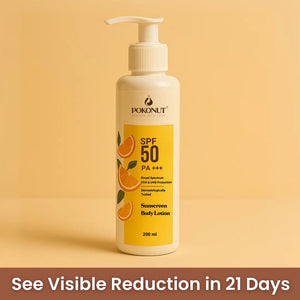
Daily sun protection helps maintain barrier integrity and reduces inflammatory stress on the skin. This is where Pokonut Natural Sunscreen SPF 50 fits naturally into the routine. Regular use protects dehydrated, acne-prone skin from UV damage without clogging pores, supporting clearer and healthier skin over time.
What to Avoid If Your Skin Is Dehydrated and Breaking Out
Certain habits quietly keep skin stuck in a cycle of dehydration and acne.
-
Alcohol-based toners and strong astringents that increase water loss
-
Overuse of clay masks that absorb too much oil and trigger rebound production
-
Constant exfoliation that damages the skin barrier
-
Skipping moisturiser or sunscreen, which worsens dehydration and inflammation
When people ask can dehydration cause breakouts, these habits are often the reason dehydration never improves.
Also Read - Skin Care for Pregnant Women: Safe Tips and Products for a Healthy Glow
About Doctor :