










Why Skin Tone Becomes Dull and Dark in Winter Even Without Sun?
- 1 What “Dull” and “Dark” Skin Really Mean in Winter
- 2 How Winter Weakens the Skin Barrier
- 3 Biological and Environmental Changes That Make Skin Look Darker
- 3.1 Reduced Humidity and Severe Dehydration
- 3.2 Slower Cell Turnover in Cold Temperatures
- 3.3 Poor Blood Circulation in Cold Weather
- 3.4 Indoor Heating and Its Hidden Effects
- 3.5 Micro-Inflammation and Winter Sensitivity
- 4 Why This Darkness Is Not the Same as Tanning
- 5 Areas of the Face That Look Darker in Winter
- 6 How to Prevent Skin Darkening in Winter
- 6.1 Restore Hydration and Barrier Strength
- 6.2 Remove Dead Skin Gently
- 6.3 Support Brightness with Antioxidants
- 6.4 Maintain Circulation and Daily Protection
- 7 The Core Science in One Line

Medically Reviewed By:
Dr. Mousumi Dash, BAMS
Written by Our Editorial Team
Dr. Mousumi Dash, BAMS
Written by Our Editorial Team
Medically Reviewed By:About the Reviewer
Why does my skin becomes dark in winter? That’s the question coming across in many people’s mind even when they are not going out in the sun much. It can feel like an issue because winter usually means less sweating, less tanning, and more time indoors. Still, the skin often looks dull, uneven, and sometimes darker than usual. This change is for real, but it is not mainly caused by increased melanin or tanning. In winter, the skin goes through several biological and environmental changes. These changes affect hydration, texture, blood flow, and the skin barrier. Together, they alter how light reflects from the skin surface, making the complexion look darker, tired, or greyish even without sun exposure. Let’s understand what makes the skin tone dull and dark by going through the blog below.
What “Dull” and “Dark” Skin Really Mean in Winter
Skin looks dark in winter, it means a loss of brightness and glow rather than actual pigmentation. True darkening from the sun happens due to an increase in melanin which is totally different from what people face in winters, as the skin may look darker because it becomes rough, dry, and uneven. These surface changes reduce the skin’s natural ability to reflect light. When the surface becomes dry or covered with dead cells, light scatters instead of reflecting smoothly. This scattered reflection creates shadows and makes the skin appear dull, tired, and sometimes darker than its normal tone.
Also Read - What Skincare Routine Is Best for Dry Skin?
How Winter Weakens the Skin Barrier
The skin barrier is the outermost protective layer of your skin, often compared to a brick wall. The skin cells are like bricks, and natural fats called lipids act like the cement that holds everything together. This barrier’s main job is to keep water locked inside the skin and protect it from external damage like pollution, harsh weather, and irritants. During winter, cold air and low humidity reduce these protective lipids. At the same time, strong winds and sudden temperature changes between outdoors and heated indoor spaces stress the skin. As a result, the “cement” between skin cells starts to weaken, creating tiny invisible gaps in the barrier.
When these gaps form, moisture escapes from the skin much faster than normal. This process, known scientifically as transepidermal water loss, leads to dryness, tightness, and a rough texture. A rough surface cannot reflect light evenly, which is one major reason why skin starts to look dull and darker in winter. Instead of light bouncing back smoothly to give a natural glow, it gets scattered in different directions, creating a flat and tired appearance. So when people wonder why my skin becomes dark in winter, the weakened barrier and moisture loss are two of the biggest scientific reasons behind that visible change.
Also Read - Why Does Skin Get Dry in Winter?
Biological and Environmental Changes That Make Skin Look Darker
Reduced Humidity and Severe Dehydration
Winter air contains very little moisture, especially in colder regions or air-conditioned indoor environments. This dry air pulls water out of the skin, leading to dehydration at the cellular level. Dehydrated skin cells shrink slightly, creating tiny gaps and irregularities on the surface.
These irregularities disturb the way light falls on the skin. Instead of bouncing back evenly, light gets absorbed or scattered. This makes the skin look shadowed and less radiant, which many people describe as darkening.
Slower Cell Turnover in Cold Temperatures
Skin naturally renews itself by shedding old cells and forming new ones. In winter, this process slows down due to reduced circulation and lower skin metabolism. As a result, dead skin cells stay longer on the surface instead of shedding off naturally.
This buildup forms a thick, uneven outer layer that looks grey or ashy. It blocks the smooth reflection of light and hides the fresher skin underneath. The overall effect is a complexion that looks dull, muddy, and darker than usual.
Poor Blood Circulation in Cold Weather
When the weather is cold, blood vessels near the skin surface constrict to conserve body heat. This means less blood flows to the outer layers of the skin. Reduced blood flow also means less oxygen and fewer nutrients reach the skin cells.
Good circulation gives skin a natural pink or healthy undertone. When circulation decreases, the skin may look pale, tired, or lifeless. This loss of natural glow can make the face appear darker and less vibrant.
Indoor Heating and Its Hidden Effects
Many people spend more time near heaters or in warm indoor spaces during winter. While this feels comfortable, indoor heating systems often reduce air humidity even further. This creates an extremely dry environment that continuously pulls moisture from the skin.
Prolonged exposure to dry indoor air worsens dehydration and barrier damage. The skin becomes tight, flaky, and uneven in texture. These surface changes again reduce light reflection and add to the dull, darker appearance.
Micro-Inflammation and Winter Sensitivity
Cold winds and dryness can irritate the skin and trigger low-level inflammation. This is not always visible as redness but may exist at a microscopic level. Inflamed skin does not function normally and often becomes more sensitive and reactive.
Repeated irritation can sometimes lead to uneven tone or patchy dark areas, especially around the mouth or cheeks. This is another reason why people feel their skin tone has become darker in winter, even without sun exposure.
Why This Darkness Is Not the Same as Tanning
Tanning happens when UV rays stimulate the skin to produce more melanin. In winter, although UV rays are still present, most of the dull and dark appearance comes from dryness, dead cell buildup, and poor circulation, not increased melanin production.
So when someone wonders why my skin becomes dark in winter, the answer is mostly about surface changes and internal skin functions. The issue is largely optical and structural, which means it can improve with proper care that restores hydration, smoothness, and barrier strength.
Areas of the Face That Look Darker in Winter
Certain parts of the face are more affected because they are either more exposed or naturally delicate. The area around the mouth often becomes dry and shadowed, making it look darker than the rest of the face. Under the eyes, reduced circulation can make the skin look dull and slightly darker.
Cheeks are directly exposed to cold winds, which can cause dryness and sensitivity. The forehead may develop a buildup of dead skin cells, leading to a rough, uneven tone. These regional differences make the overall face appear less bright and more uneven in winter.

Herbal Face Cream - 50g
Pokonut’s Herbal Face Cream: The Ultimate Solution for Radiant, Even-Toned Skin Discover the secret to ...
Shop Now →How to Prevent Skin Darkening in Winter
Restore Hydration and Barrier Strength
Using richer moisturisers in winter helps replace lost lipids and water. Ingredients that attract and hold moisture improve skin smoothness and reduce surface roughness. A stronger barrier prevents excessive water loss and supports a healthier glow.
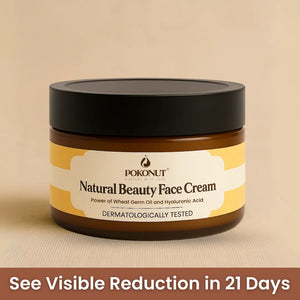
A nourishing product like Herbal Face Cream can help support the skin barrier during cold months. When the barrier is stronger, the skin surface becomes smoother, allowing light to reflect better and improving overall brightness.
Remove Dead Skin Gently
Because cell turnover slows in winter, gentle exfoliation becomes important. Removing the layer of dead cells helps reveal fresher skin underneath and improves light reflection. However, harsh scrubbing should be avoided because it can damage the already weak barrier.
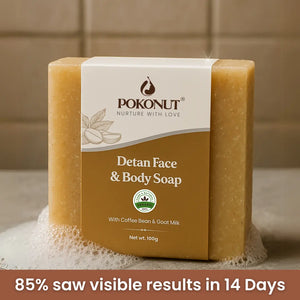
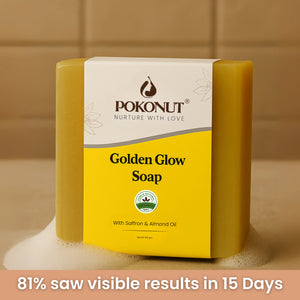
A mild cleansing option such as Golden Glow Soap can help keep the skin clean and reduce buildup without making it overly dry. Balanced cleansing supports a clearer, more even-looking complexion.
Support Brightness with Antioxidants
Winter dryness and pollution can increase oxidative stress in the skin. Antioxidants help reduce this damage and support a more even, radiant tone. Vitamin C is especially known for improving brightness and supporting healthy-looking skin.
Using a targeted product like a vitamin c face serum can help improve dullness and uneven tone over time. It works by supporting skin repair and enhancing natural radiance.
Maintain Circulation and Daily Protection
Simple habits like gentle facial massage and regular physical movement can support better blood circulation to the skin. Better circulation means more oxygen and nutrients reach skin cells, which helps maintain a healthy glow.
Even in winter, sunscreen is important because UV rays can still affect the skin and worsen uneven tone. A protective option like Pokonut Sunscreen Body Lotion SPF 50 helps prevent additional pigmentation that could make winter dullness appear worse.
The Core Science in One Line
Winter skin looks dull and darker mainly because cold air weakens the skin barrier, slows cell renewal, reduces blood circulation, and causes moisture loss. These changes make the skin surface rough and uneven, so light does not reflect properly. The result is a shadowed, tired appearance. It is mostly a surface and structural issue, not an increase in melanin or tanning.
About Doctor :