









Why Does Skin Get Dry in Winter? Causes and How to Prevent It
- 1 Understanding Your Skin Barrier
- 2 Main Causes of Dry Skin in Winter
- 3 Signs Your Skin Barrier Is Damaged
- 4 How to Scientifically Prevent Dry Skin in Winter
- 4.1 Use Barrier-Repair Moisturizers
- 4.2 Add Humectants to Attract Water
- 4.3 Seal Moisture With Occlusives
- 4.4 Take Lukewarm, Not Hot, Showers
- 4.5 Use a Humidifier Indoors
- 4.6 Switch to Gentle Cleansers
- 4.7 Protect Skin From Wind and Cold
- 5 Extra Care for Common Dry Areas
- 6 When Dry Skin Becomes a Medical Issue
- 7 Conclusion

Medically Reviewed By:
Dr. Mousumi Dash, BAMS
Written by Our Editorial Team
Dr. Mousumi Dash, BAMS
Written by Our Editorial Team
Medically Reviewed By:About the Reviewer

During winter, many people notice their skin feeling tight, rough, dull, or flaky. This happens because cold weather changes how the environment interacts with our skin. If you have ever wondered why in winter skin get dry, the answer lies in a mix of environmental science and skin biology working together.
Our skin constantly balances moisture levels to stay healthy and flexible. But winter disturbs this balance. Lower temperatures, dry air, and indoor heating create conditions where the skin loses more water than usual. This leads to dryness, irritation, and sometimes even cracks. Understanding why skin becomes dry in winter helps us take the right steps to prevent it instead of just applying random creams.
Understanding Your Skin Barrier

The outermost layer of your skin is called the stratum corneum, and it works like a protective wall. It is made of dead skin cells held together by natural fats called lipids. This structure is often described as a “brick and cement” model where skin cells are bricks and lipids are the cement. Its main job is to lock moisture inside and protect the body from pollution, bacteria, and harsh weather.
Inside this layer, there are also Natural Moisturizing Factors (NMFs) such as amino acids, urea, and salts. These substances attract and hold water in the skin. When the barrier is healthy, it prevents excessive water loss. But in winter, both the lipids and NMFs get disturbed, which is one major reason why skin becomes dry in winter.
Also Read - What Skincare Routine Is Best for Dry Skin?
Main Causes of Dry Skin in Winter

-
Low Humidity in Cold Air - Cold air contains very little moisture compared to warm air. This dry environment pulls water out of the skin through a process called transepidermal water loss. As a result, the skin barrier becomes dehydrated and starts to feel rough and tight.
-
Indoor Heating Reduces Air Moisture - Heaters, blowers, and indoor heating systems make the surrounding air even drier. When skin stays in this environment for long hours, it continuously loses moisture. This weakens the skin barrier and increases sensitivity and flaking.
-
Hot Showers Strip Natural Lipids - Hot water dissolves the natural oils that protect the skin surface. These oils are essential for keeping the barrier strong and preventing water loss. Frequent hot showers in winter leave the skin more exposed to dryness and irritation.
-
Reduced Sebum Production in Cold Weather - Our sebaceous glands produce less oil when temperatures drop. Sebum normally forms a protective layer that slows down water evaporation. With less sebum, the skin loses its natural defense against dryness.
-
Cold Wind and Harsh Weather - Strong winter winds damage the outermost skin layer and create tiny breaks in the barrier. These micro-damages allow moisture to escape more easily. Over time, this leads to redness, irritation, and increased dryness.
Signs Your Skin Barrier Is Damaged

When the skin barrier is damaged, the problem is deeper than just surface dryness. The skin struggles to retain moisture and becomes more sensitive to the environment. This is why dryness keeps returning even after applying moisturizer.
Key signs include:
-
Persistent dryness that does not improve easily, because the skin cannot hold water properly
-
Flaky or peeling patches, showing that the outer skin layer is breaking down
-
Redness or a burning sensation after applying skincare products, due to increased sensitivity
-
Itching, especially on legs, arms, and hands, as nerve endings become more exposed
-
A feeling of tightness after washing the face, indicating loss of natural oils
-
Rough texture and fine lines appearing more visible because dehydrated skin shrinks slightly

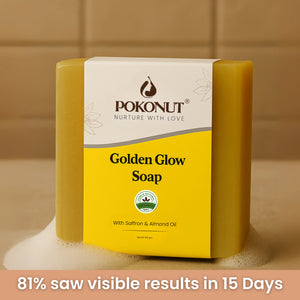
Golden Glow Soap -100g
Enjoy our exquisitely made golden glow soap, which is enriched with saffron, almond oil, and glycerin. This combinati...
Shop Now →How to Scientifically Prevent Dry Skin in Winter
1. Use Barrier-Repair Moisturizers
-
Ceramides – rebuild barrier - Ceramides are natural fats found in the skin barrier that hold skin cells together. In winter, their levels reduce, which weakens the barrier and increases water loss. Applying ceramide-based moisturizers helps restore this protective structure and improve hydration.
-
Cholesterol – supports lipid structure - Cholesterol is another essential component of the skin’s outer layer. It works with ceramides to maintain barrier strength and flexibility. When added through skincare, it helps repair dryness and reduces sensitivity.
-
Fatty acids – restore softness - Fatty acids fill the gaps between skin cells and smooth the skin surface. They improve elasticity and reduce rough texture caused by winter dryness. Regular use helps the skin feel softer and more comfortable.
2. Add Humectants to Attract Water
-
Glycerin - Glycerin attracts water from the environment and deeper skin layers into the outer layer. This helps maintain hydration even in dry conditions. It is gentle, effective, and suitable for most skin types.
-
Hyaluronic acid - Hyaluronic acid can hold many times its weight in water, making it a powerful hydrator. It helps plump the skin and reduce the appearance of fine dryness lines. Using it under a moisturizer improves overall water retention.
-
Urea (in low percentages) - Low concentrations of urea improve the skin’s ability to hold moisture. It also softens rough patches by gently breaking down hardened skin cells. This makes it especially useful for dry areas like legs and elbows.
3. Seal Moisture With Occlusives
-
Petroleum jelly - Petroleum jelly forms a protective layer that locks moisture into the skin. It significantly reduces transepidermal water loss, especially overnight. It is highly effective for very dry or cracked areas.
-
Shea butter - Shea butter contains natural fats that both nourish and protect the skin barrier. It works as an emollient and occlusive, improving smoothness while preventing moisture loss. It is ideal for winter body care.
-
Dimethicone - Dimethicone is a silicone-based ingredient that creates a breathable protective layer. It prevents dehydration without making the skin feel heavy. It is commonly used in creams for sensitive or dry skin.
4. Take Lukewarm, Not Hot, Showers
-
Shorter showers protect natural oils - Long exposure to hot water strips the skin of protective lipids. Lukewarm water helps maintain the barrier while still cleansing the skin. Limiting shower time reduces dryness and irritation. Using a mild, non stripping cleanser such as Golden Soap can help clean the skin without worsening winter dryness.
-
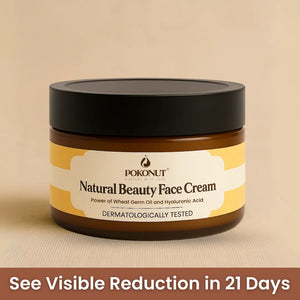
Apply moisturizer within 3 minutes after bathing - After bathing, the skin still contains some surface moisture. Applying moisturizer quickly helps trap this water before it evaporates. Using skincare products for dry skin like face creams or moisturizer can be especially helpful.
5. Use a Humidifier Indoors
-
Restores moisture in indoor air - A humidifier increases the water content in dry winter air. This reduces the moisture difference between the skin and environment. As a result, the skin loses less water throughout the day and night.
-
Reduces TEWL from skin overnight - During sleep, the skin naturally repairs itself. Maintaining indoor humidity supports this repair process. It helps prevent overnight dehydration and morning tightness.
6. Switch to Gentle Cleansers
-
Avoid harsh foaming or sulfate cleansers - Strong cleansers remove essential lipids along with dirt and oil. This damages the barrier and increases dryness in winter. Using mild formulas helps preserve natural protection.
-
Use cream or lotion-based cleansers - Cream cleansers clean without excessive foaming or stripping. They maintain hydration while removing impurities. This keeps the skin comfortable and less prone to irritation.
7. Protect Skin From Wind and Cold
-
Wear gloves, scarves, and full sleeves - Physical protection reduces direct exposure to cold air and wind. This prevents micro-damage to the skin barrier. Covered skin retains moisture better in harsh weather.
-
Apply thicker creams on exposed areas - Rich creams provide an additional protective layer against environmental stress. They reduce moisture loss from areas like the face and hands. Reapplying during the day improves long-lasting protection. At night, sealing the skin with a few drops of Kumkumadi Tailam Face Oil over moisturizer can further support barrier nourishment and improve dryness caused by winter.
Also Read - Which Product Is Best for Dry Skin?
Extra Care for Common Dry Areas
Different body parts become dry for different scientific reasons. Some areas have fewer oil glands, while others are exposed more to washing or weather.
|
Body Area |
Why It Gets Extra Dry in Winter |
Detailed Care Routine |
|
Hands |
Frequent washing removes oils, cold air damages barrier, and skin here is thinner |
Use a thick hand cream with glycerin and ceramides after every wash, apply petroleum jelly at night, wear gloves outdoors |
|
Lips |
Lips have no oil glands and lose water quickly in dry air |
Use lip balms with beeswax, shea butter, or petrolatum, reapply every 2 to 3 hours, avoid licking lips |
|
Legs |
Fewer sebaceous glands produce less natural oil |
Apply rich body lotion or body butter immediately after bathing, avoid very hot water, exfoliate gently once a week |
|
Face |
Constant exposure to wind, sun, and pollution |
Use a ceramide-based moisturizer, layer with sunscreen during daytime, use a gentle cleanser and avoid over-exfoliation |
When Dry Skin Becomes a Medical Issue
Sometimes dryness goes beyond normal winter effects and becomes a medical concern. This happens when the skin barrier damage leads to inflammation or infection.
Warning signs include:
-
Deep cracks in the skin that may bleed, increasing risk of infection
-
Severe itching that disturbs sleep, often linked with eczema flare-ups
-
Thick, scaly patches that may indicate psoriasis
-
Persistent redness and swelling that does not improve with moisturizers
-
Oozing or crusting, which can signal bacterial infection
-
Widespread dryness with extreme roughness in older adults, which may require medical creams
If these symptoms appear, it is important to consult a dermatologist. Medical treatments may include prescription moisturizers, steroid creams, or barrier-repair formulations.
Conclusion
Winter dryness is not just about “lack of moisture.” Scientifically, it is mainly a skin barrier problem caused by low humidity, reduced natural oils, and increased water loss. That is the real reason why in winter skin get dry.
The correct approach is to repair the barrier, attract moisture into the skin, and seal it properly. When we understand why skin becomes dry in winter, skincare becomes more logical and effective instead of trial and error.
About Doctor :