









Pigmentation vs Dark Spots: What's the Difference?

Medically Reviewed By:
Dr. Mousumi Dash, BAMS
Written by Our Editorial Team
Dr. Mousumi Dash, BAMS
Written by Our Editorial Team
Medically Reviewed By:About the Reviewer
Pigmentation and dark spots are closely related but not the same. Pigmentation, more correctly called hyperpigmentation, is the umbrella term for any area where the skin makes too much melanin and turns darker. Dark spots are just one type of pigmentation: small, distinct patches where that extra melanin is concentrated. A simple way to picture it is a forest and its trees, where pigmentation is the whole forest and dark spots are individual trees. Pigmentation tends to be broad and blends into the skin, while dark spots are small and clearly defined. Knowing which you have makes it easier to treat.
Key Takeaways
-
Pigmentation (hyperpigmentation) is the broad term for excess melanin; dark spots are one type of it.
-
Pigmentation is often diffuse and patchy; dark spots are small and concentrated.
-
Both are mainly triggered by the sun, along with hormones, acne, and ageing.
-
The same brightening ingredients and daily sunscreen help both.
-
Broad or hormonal pigmentation like melasma usually takes longer and may need a dermatologist.
What Is Pigmentation?
Pigmentation is the natural colour of your skin, which comes from a pigment called melanin. When people talk about pigmentation as a skin concern, they usually mean hyperpigmentation, where the skin produces too much melanin in certain areas and they become darker than the rest. This darkening can be widespread or appear as patches, and it can show up anywhere on the face or body. Common triggers include sun exposure, hormonal changes, inflammation from acne or injury, and genetics. Because pigmentation can cover larger areas and blend gradually into the surrounding skin, it often looks like an uneven skin tone rather than a single clear mark.
What Are Dark Spots?
Dark spots are a specific, localised form of hyperpigmentation, appearing as small, distinct patches that are darker than the skin around them. Unlike broad pigmentation, dark spots have clear edges and stay concentrated in one area. They are usually brown, black, or grey, and common types include sun spots (or age spots) from UV damage, post-inflammatory hyperpigmentation (the marks left after acne heals), and freckles. Dark spots are flat, so they only change the colour of the skin and not its texture. Because they are smaller and more targeted, they often respond a little faster to treatment than widespread pigmentation.
Pigmentation vs Dark Spots: The Key Differences![]()

The main difference between pigmentation and dark spots is scope: pigmentation is the broad umbrella term, while dark spots are one small, concentrated type within it. Pigmentation tends to spread over larger areas and blends into the skin, whereas dark spots are isolated and clearly defined. Their causes also lean in different directions, and this affects how they are treated. The table below breaks it down.
|
Feature |
Pigmentation (hyperpigmentation) |
Dark spots |
|
What it is |
Umbrella term for any excess melanin |
A specific, localised type of pigmentation |
|
Appearance |
Broad, diffuse, blends into skin |
Small, round, clearly defined |
|
Main causes |
Genetics, hormones, sun, inflammation |
Sun exposure, acne marks, ageing |
|
Common types |
Melasma, PIH, sun spots, freckles |
Sun/age spots, acne marks, freckles |
|
Response to treatment |
Slower, especially if hormonal |
Often fades a little faster |
|
Treatment approach |
Brightening actives, SPF, sometimes a dermatologist |
Brightening actives and SPF |
Types of Pigmentation
Pigmentation comes in several forms, and dark spots are just one of them. Understanding the type helps you choose the right care.
-
Melasma. Larger, symmetrical brown or grey patches, usually on the cheeks, forehead, or upper lip. It is often triggered by hormones, such as during pregnancy, and tends to be stubborn.
-
Post-inflammatory hyperpigmentation (PIH). Flat marks left after acne, cuts, or irritation heal. It is more common and longer-lasting in deeper skin tones, including many Indian skin types.
-
Sun spots or age spots. Small dark spots caused by years of sun exposure, usually on the face, hands, and shoulders.
-
Freckles. Small, flat brown spots that are often hereditary and become darker with sun exposure.
What Causes Pigmentation and Dark Spots?

Both pigmentation and dark spots are caused by the skin overproducing melanin, and the sun is the biggest trigger for both. Here are the main causes.
-
Sun exposure. UV rays push the skin to make more melanin as protection. This is the leading cause of both broad pigmentation and isolated dark spots.
-
Hormonal changes. Pregnancy, birth control, and hormone shifts can trigger melasma, which usually shows as widespread patches rather than single spots.
-
Acne and inflammation. When skin heals from a breakout or injury, it can leave behind flat dark marks, known as PIH.
-
Genetics. Your family history influences how prone your skin is to pigmentation and freckles.
-
Ageing. Over time, sun damage adds up and dark spots become more common.

Dark Spot Removal Cream
Science-backed Ayurveda, with a purpose for every ingredient Your dark-spot routine should be easy to understand. PO...
Shop Now →How to Treat Pigmentation and Dark Spots
Both respond to the same core approach: brightening ingredients that slow melanin, gentle skincare, and daily sun protection. The difference is that isolated dark spots often fade a little faster, while broad or hormonal pigmentation needs more patience. A simple, effective routine includes:
-
Cleanse gently. Use a mild cleanser twice a day to keep skin clean without irritating it.
-
Apply brightening actives. Ingredients like niacinamide, vitamin C, kojic acid, alpha arbutin, and azelaic acid help reduce melanin and even out tone.
-
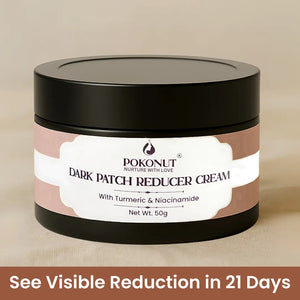
Target concentrated spots. For small, defined dark spots, a focused dark spot cream that pairs niacinamide and kojic acid in a hydrating, hydroquinone-free base works well on the specific areas.
-
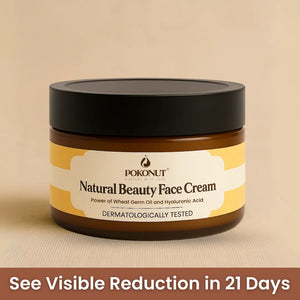
Care for broader pigmentation daily. For wider unevenness and dullness, a daily herbal face cream with niacinamide, bearberry, and papaya helps brighten and moisturise the whole face while addressing hyperpigmentation and early signs of ageing.
-
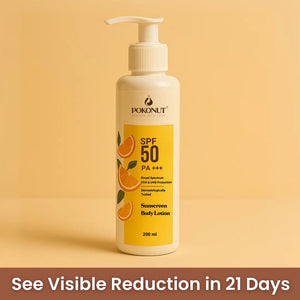
Never skip sunscreen. A sunscreen SPF 50 is the most important step, as sun exposure undoes progress and triggers new pigmentation.
-
Be patient and consistent. Results build over weeks to months, and consistency matters more than switching products.
Avoid harsh scrubs, lemon juice, and over-layering strong actives, as these can irritate skin and worsen pigmentation.
Can You Prevent Pigmentation and Dark Spots?
Yes, to a large extent, and it mostly comes down to protecting your skin from the sun. Since UV exposure is the leading cause of both, daily sunscreen is the single most effective preventive step. A few simple habits help:
-
Wear sunscreen every day, even indoors or on cloudy days, and reapply outdoors.
-
Do not pick or squeeze pimples, as this leads to dark marks.
-
Treat acne early to reduce the inflammation that causes PIH.
-
Be gentle with your skin and avoid harsh scrubbing.
-
Manage sun exposure with hats, shade, and protective clothing.
You cannot change genetics or fully prevent hormonal pigmentation like melasma, but good sun protection greatly reduces how much pigmentation you develop over time.
When to See a Dermatologist
You should see a dermatologist if your pigmentation is widespread, hormonal, or not fading after a few months of consistent care. Melasma in particular is stubborn and often needs professional guidance, such as prescription creams or in-clinic treatments. It is also worth seeing a dermatologist if a spot changes in size, shape, or colour, or looks different from your other marks, as this should be checked to rule out other causes. For those wanting faster results on stubborn pigmentation, dermatologists offer options like chemical peels and laser therapy that work deeper than creams.
The Bottom Line
Pigmentation and dark spots are part of the same picture: pigmentation is the umbrella term for excess melanin, and dark spots are one concentrated type of it. Both are driven mainly by the sun and respond to the same routine of brightening actives and daily sunscreen, though broad or hormonal pigmentation takes longer and may need a dermatologist. The key is to identify what you have, treat it consistently, and protect your skin from the sun every day.
About Doctor :