









How to reduce Melasma on Face Naturally Without Damaging Your Skin
- 1 What Is Melasma and Why It Needs Gentle Treatment
- 2 Common Causes of Melasma You Should Know
- 3 How Melasma Develops Inside the Skin
- 4 Natural and Skin Safe Ways to Treat Melasma
- 4.1 Daily Sun Protection Is the Foundation
- 4.2 Vitamin C for Controlling Pigment Activity
- 4.3 Niacinamide for Repairing and Fading Dark Patches
- 4.4 Natural Soothing Ingredients That Support Healing
- 5 A Simple Daily Routine for Melasma Prone Skin
- 6 How Diet and Lifestyle Affect Melasma
- 7 What to Avoid When Treating Melasma Naturally
- 8 When You Should Consult a Dermatologist

Medically Reviewed By:
Dr. Mousumi Dash, BAMS
Written by Our Editorial Team
Dr. Mousumi Dash, BAMS
Written by Our Editorial Team
Medically Reviewed By:About the Reviewer
Melasma is not a surface pigmentation problem, it is a pigment regulation disorder driven by chronic stimulation of melanocytes. Factors such as ultraviolet radiation, hormonal signalling, heat, and skin inflammation continuously activate melanin production, which leads to persistent facial pigmentation that is difficult to suppress with conventional treatments.
This is why learning how to treat melasma on face naturally requires a different approach. Treatments that rely on aggressive exfoliation or rapid pigment removal often disrupt the skin barrier, increase inflammatory signals, and worsen melanocyte activity. A natural treatment strategy focuses on controlling pigment triggers, strengthening barrier function, and gradually normalising melanin distribution without sensitising the skin.
This blog takes a scientific yet simple approach to explain how melasma behaves in the skin and outlines evidence-based, natural methods that help manage facial melasma safely and sustainably.
What Is Melasma and Why It Needs Gentle Treatment
Melasma is a chronic pigmentation condition where excess melanin is produced in patches, usually on the cheeks, forehead, nose bridge, upper lip, and jawline. These patches are often symmetrical and can appear brown, grey, or slightly bluish.
Unlike surface level dark spots, melasma pigment sits deeper in the skin and is strongly influenced by hormones, UV exposure, and inflammation. This is why harsh creams, frequent peels, or scrubs often make melasma darker instead of lighter.
To truly understand how to treat melasma on face naturally, it is important to accept that gentle, long term care works better than aggressive correction.
Also Read - What Is Melasma? Causes, Symptoms, and How to Manage It Safely
Common Causes of Melasma You Should Know
Melasma rarely has a single cause. It usually develops due to a combination of internal and external triggers.
• Sun exposure - UV rays stimulate melanocytes directly. Even brief, repeated exposure without protection can trigger melasma flare ups, especially on the cheeks and forehead.
• Hormonal changes - Pregnancy, oral contraceptives, thyroid imbalance, and hormonal fluctuations increase melanocyte sensitivity, making pigmentation harder to control.
• Genetic predisposition - Some skin types naturally have more reactive pigment cells, which explains why melasma runs in families.
• Skin inflammation and irritation - Over exfoliation, strong actives, scrubs, and frequent product changes weaken the skin barrier. This inflammation signals melanocytes to produce more pigment.
Understanding these causes helps shift the focus from bleaching the skin to calming and protecting it.
How Melasma Develops Inside the Skin
Melasma develops when melanocytes become overactive and start producing excess melanin. UV rays, heat, and inflammation send signals that push these cells into overdrive.
The pigment produced then gets deposited unevenly, often reaching deeper layers of the skin. This is why melasma fades slowly and comes back easily if the skin is irritated again.
When the skin barrier is compromised, inflammation increases. This creates a cycle where pigmentation keeps returning. Natural treatment works by breaking this cycle rather than fighting the pigment aggressively.

Vitamin C - Face Serum
Dull, uneven skin, dark spots, and acne marks can make you look tired and affect your confidence. Whether caused by s...
Shop Now →Natural and Skin Safe Ways to Treat Melasma
When discussing how to treat melasma on face naturally, the focus should always be on regulating pigment activity and strengthening the skin barrier.
Daily Sun Protection Is the Foundation
Sun protection is the most important step in melasma management. Without it, even the best natural ingredients cannot prevent pigmentation from returning.
Mineral sunscreens with zinc oxide or titanium dioxide work best for melasma prone skin because they reflect UV rays instead of absorbing them. Daily use, including indoors and during cloudy weather, is essential to prevent melanocyte activation.
Vitamin C for Controlling Pigment Activity
Vitamin C helps reduce oxidative stress in the skin, which is a key factor that worsens melasma. By neutralising free radicals, it reduces signals that stimulate melanin production.
It also interferes with the enzyme involved in melanin synthesis, helping slow down new pigmentation formation. When used consistently, vitamin C supports gradual brightening without irritating the skin.
This is where Pokonut’s Vitamin C Face Serum fits naturally. It can be mentioned as an antioxidant support that helps even skin tone while maintaining skin barrier health, making it suitable for melasma prone skin.
Niacinamide for Repairing and Fading Dark Patches
Niacinamide works by reducing the transfer of melanin to surface skin cells rather than stripping pigment away. This makes it ideal for sensitive, pigmentation prone skin.
It also strengthens the skin barrier, improves hydration, and reduces inflammation, all of which are critical in managing melasma long term.
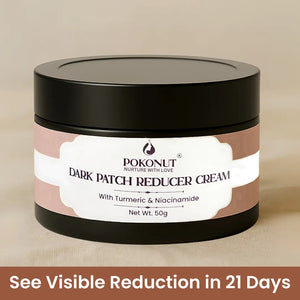
Pokonut’s Dark Spot Removal Cream, formulated with niacinamide, can be logically introduced here as it supports gradual fading of pigmentation while keeping the skin calm and balanced.
Natural Soothing Ingredients That Support Healing
Reducing inflammation is essential for natural melasma care.
Aloe vera helps soothe irritated skin and supports barrier repair.
Licorice extract gently regulates melanin production without sensitising the skin.
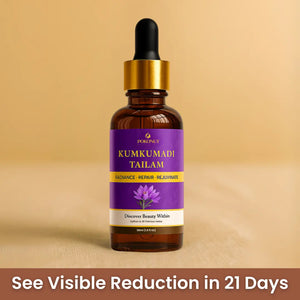
Turmeric, when used in controlled and skin safe formulations, provides antioxidant and anti inflammatory benefits that help calm pigment activity.
These ingredients support the skin environment instead of forcing rapid lightening.
A Simple Daily Routine for Melasma Prone Skin
A routine for melasma should be consistent, minimal, and barrier friendly.
• Morning care
Gentle cleansing helps remove overnight oil without stripping the skin. Antioxidant support helps protect against environmental stress, followed by sunscreen to prevent UV triggered pigmentation.
• Night care
Mild cleansing removes sunscreen and impurities. Barrier repairing ingredients like niacinamide support pigment control and skin recovery while you sleep.
The key is repetition. Changing routines frequently confuses the skin and increases inflammation.
Also Read - Daily Skincare Routine To Prevent Dark Patches and Circles
How Diet and Lifestyle Affect Melasma
Melasma is influenced by internal health as much as topical care.
• Antioxidant rich foods help reduce oxidative stress that can worsen pigmentation.
• Adequate hydration supports skin repair and barrier function.
• Sleep and stress management are important because hormonal stress responses can trigger pigment flare ups.
While lifestyle changes alone cannot cure melasma, they significantly improve how well your skin responds to treatment.
What to Avoid When Treating Melasma Naturally
Some common mistakes can worsen melasma even when intentions are good.
• DIY remedies like lemon, vinegar, or baking soda damage the skin barrier and increase inflammation.
• Over exfoliation weakens protective layers and stimulates pigment cells.
• Scrubbing, rubbing, or picking affected areas causes micro inflammation that deepens pigmentation.
Natural treatment should always be gentle and consistent, not aggressive.
When You Should Consult a Dermatologist
If melasma continues to darken or spread despite consistent care, professional evaluation is necessary. Hormonal imbalance, deeper pigment involvement, or underlying medical conditions may need medical attention.
Early intervention combined with gentle care gives the best outcomes.
About Doctor :