










Is Licorice Extract Good for Skin? (Benefits and What to Know)
- 1 What Is Licorice Extract?
- 2 Why Is Licorice Extract Used in Skincare?
- 3 Is Licorice Extract Good for Skin?
- 4 What Are the Benefits of Licorice Extract for Skin?
- 4.1 Helps Reduce Hyperpigmentation and Dark Spots
- 4.2 Improves Skin Brightness and Evens Tone
- 4.3 Soothes Inflammation and Redness
- 4.4 Helps Manage Acne-Related Marks
- 4.5 Provides Antioxidant Protection
- 4.6 Helps Control Excess Oil
- 4.7 Supports Skin Barrier Health
- 4.8 Gentle Alternative to Strong Brightening Actives
- 4.9 May Help Reduce Sun-Induced Pigmentation
- 4.10 Improves Overall Skin Clarity Over Time
- 5 Who Should Use Licorice Extract?

Medically Reviewed By:
Dr. Mousumi Dash, BAMS
Written by Our Editorial Team
Dr. Mousumi Dash, BAMS
Written by Our Editorial Team
Medically Reviewed By:About the Reviewer
Licorice extract also known as Mulethi, is widely used in skincare, especially for treating uneven skin tone and pigmentation. It is derived from the root of the Glycyrrhiza glabra plant and contains active compounds that affect how skin produces pigment. One important fact is that licorice extract contains glabridin, which helps block the activity of the tyrosinase enzyme, the main enzyme responsible for melanin production in the skin. This is why licorice extract for skin is often used in products focused on brightening and calming the skin. Instead of acting as a quick fix, it works gradually by improving how the skin functions over time.
What Is Licorice Extract?
Licorice extract (Mulethi) is a plant-based ingredient obtained from the roots of the licorice plant. It contains compounds like glabridin and liquiritin, which are known for their skin-soothing and brightening properties. These compounds help reduce excess pigmentation and calm irritated skin.
In skincare, licorice extract is valued because it works gently without causing strong irritation. It is often used in formulations designed for sensitive skin or uneven skin tone. Its ability to target multiple skin concerns makes it a widely used ingredient.
Why Is Licorice Extract Used in Skincare?
Licorice extract is widely used in skincare because it targets multiple skin concerns in a gentle and effective way.
-
It helps control melanin production
Licorice extract contains glabridin, which reduces the activity of the tyrosinase enzyme responsible for melanin formation. This helps in gradually reducing dark spots and uneven skin tone. It works at the root level instead of only improving surface appearance. -
It reduces inflammation and soothes the skin
Licorice extract has anti-inflammatory properties that help calm redness, irritation and sensitivity. This makes it suitable for people with reactive or sensitive skin. It supports skin recovery without causing additional stress. -
It supports treatment of acne marks
After acne heals, the skin often develops dark spots due to increased melanin production. Licorice extract for skin helps reduce this post-inflammatory pigmentation. It also helps the skin recover faster by reducing inflammation. -
It provides antioxidant protection
Licorice extract contains compounds that protect the skin from oxidative stress caused by pollution and UV exposure. This helps prevent damage to skin cells and supports long-term skin health. Antioxidants also help maintain overall skin clarity. -
It works as a gentle alternative to stronger actives
Many strong brightening ingredients can irritate the skin. Licorice extract works more gently while still targeting pigmentation and uneven tone. This makes it suitable for long-term use, especially for sensitive skin types. -
It supports overall skin balance
Licorice extract helps maintain a balanced skin environment by reducing irritation and supporting hydration. A balanced skin barrier improves how the skin functions and responds to other skincare products. This makes it a versatile ingredient in many formulations.
Is Licorice Extract Good for Skin?
Yes, licorice extract is considered beneficial for the skin, especially for concerns like dark spots, sensitivity and uneven tone. It works by reducing the activity of the tyrosinase enzyme, which controls how much melanin (skin pigment) is produced. When melanin production is controlled, pigmentation like acne marks and sun spots can fade over time. It also helps calm inflammation, which is one of the main reasons behind redness and post-acne marks.
Studies have shown that active compounds in licorice extract for skin, such as glabridin, can reduce pigmentation when used consistently over a few weeks. Because it is gentle, it is often recommended for people who cannot tolerate strong treatments like acids or peels. However, it is important to understand that it does not give instant results. With regular use over 4 to 8 weeks, it helps improve overall skin clarity, balance and tone in a gradual and safe way.

Dark Spot Removal Cream
Dark spots still visible even after the pimple has healed? Sun exposure, breakouts and hormonal changes can leave be...
Shop Now →What Are the Benefits of Licorice Extract for Skin?
1. Helps Reduce Hyperpigmentation and Dark Spots
One of the most important benefits of mulethi or licorice extract for skin is its ability to reduce hyperpigmentation. The compound glabridin helps block the tyrosinase enzyme, which controls melanin production. When melanin production is reduced, dark spots and uneven patches begin to fade gradually. This makes it useful for conditions like sunspots and post-acne marks. With consistent use, it helps improve skin clarity.
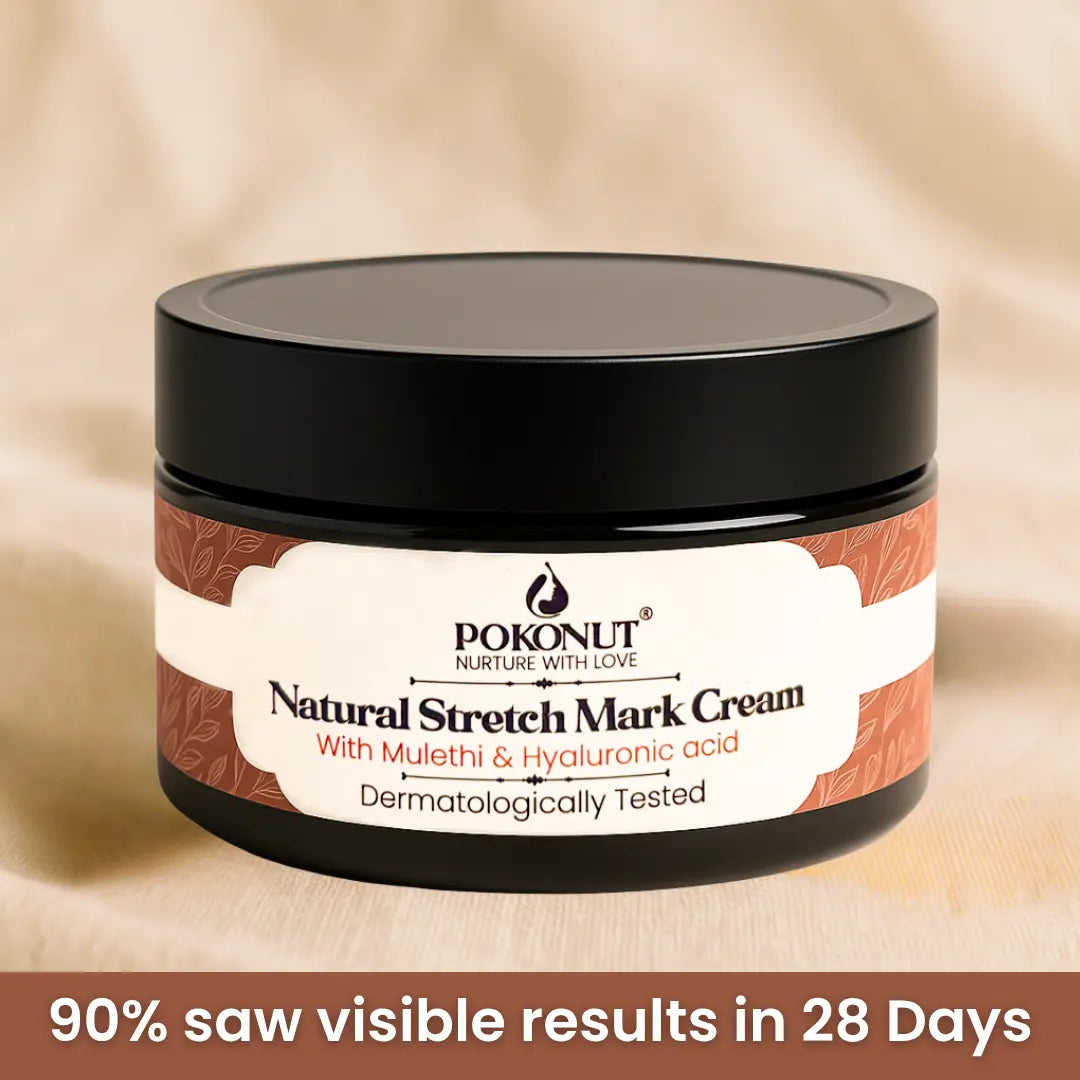
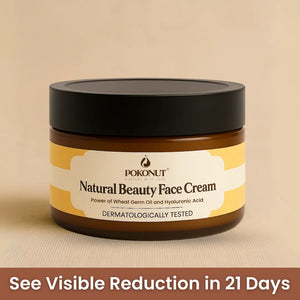
In many skincare formulations, licorice extract (also known as mulethi) is combined with ingredients like hyaluronic acid or rosehip oil to improve hydration and support skin repair along with pigmentation control. Products such as dark spot creams formulations that include mulethi are often designed to work on uneven tone while maintaining skin elasticity and barrier health.
2. Improves Skin Brightness and Evens Tone
Licorice extract helps balance melanin levels across the skin, which leads to a more even complexion. Instead of bleaching the skin, it works by reducing excess pigmentation in certain areas. This helps improve overall brightness and makes the skin look clearer. It is especially helpful for people dealing with uneven skin tone caused by sun exposure or acne.
3. Soothes Inflammation and Redness
Licorice extract has natural anti-inflammatory properties that help calm irritated skin. It reduces redness and discomfort caused by sensitivity or environmental stress. This makes it suitable for people with reactive or sensitive skin. By calming the skin, it also supports better healing and recovery.
4. Helps Manage Acne-Related Marks
After acne heals, it often leaves behind dark spots known as post-inflammatory hyperpigmentation. Licorice extract for skin helps reduce these marks by controlling excess melanin production. It also supports skin repair by reducing inflammation. Over time, this helps fade acne marks and improve overall skin appearance.
Also Read - Top 5 Ingredients to Look for in a Dark Spot Removal Cream
5. Provides Antioxidant Protection
Licorice extract contains antioxidants that help protect the skin from oxidative stress caused by pollution and UV exposure. Oxidative stress can damage skin cells and worsen pigmentation. By neutralising this damage, it supports healthier skin function. This helps maintain long-term skin clarity and strength.
6. Helps Control Excess Oil
Licorice extract may help regulate sebum production, which is the natural oil produced by the skin. Balanced oil levels help prevent clogged pores and reduce acne risk. This makes it suitable for combination or oily skin types. Maintaining oil balance also supports overall skin health.
7. Supports Skin Barrier Health
A healthy skin barrier protects against moisture loss and external damage. Licorice extract helps reduce irritation and supports this protective barrier. When the barrier is strong, the skin retains moisture better and becomes less sensitive. This improves overall skin stability.
8. Gentle Alternative to Strong Brightening Actives
Many brightening ingredients can cause irritation, especially for sensitive skin. Licorice extract works more gently while still targeting pigmentation. This makes it a safer option for long-term use. It is often preferred by people who cannot tolerate stronger actives like acids or retinoids.
9. May Help Reduce Sun-Induced Pigmentation
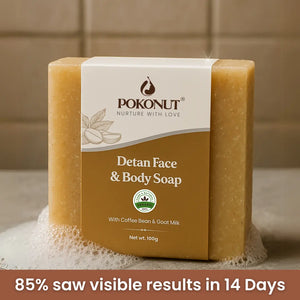
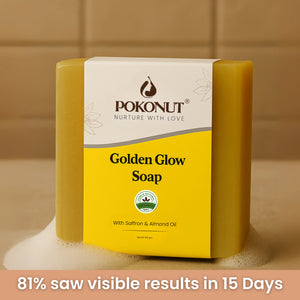
Exposure to sunlight increases melanin production, leading to tanning and dark spots. Licorice extract helps control this process by acting on the melanin pathway and reducing excess pigment formation. This helps gradually improve sun-induced uneven tone when used consistently. However, it works best when combined with proper sun protection. Since mulethi (licorice extract) is also used in cleansing formulations, products such as tan removal soaps that include licorice extract can help remove surface impurities and support gradual reduction of tanning over time while keeping the skin balanced.
Also Read - Pimple or Pigment? How to Choose the Right Dark Spot Treatment
10. Improves Overall Skin Clarity Over Time
With regular use, licorice extract helps improve overall skin clarity and texture. It works by addressing multiple concerns like pigmentation, irritation and uneven tone. Over time, the skin appears smoother, clearer and more balanced. Consistency is key to achieving these results.
Who Should Use Licorice Extract?
Licorice extract is suitable for people dealing with pigmentation, acne marks or uneven skin tone. It is also a good option for sensitive skin because it works gently without causing irritation. Those with redness or inflammation may also benefit from its calming properties. It can be used by most skin types as part of a balanced skincare routine.
About Doctor :