









How to Reduce Melanin in Skin Without Damaging Your Skin Barrier?
- 1 What Is Melanin and Why Your Skin Needs It
- 2 Why Does Excess Melanin Develop in the Skin
- 3 How to Reduce Melanin in Skin Safely Without Damaging the Barrier
- 3.1 Vitamin C and Melanin Regulation
- 3.2 Alpha Arbutin and Targeted Pigment Control
- 3.3 Niacinamide for Barrier Repair and Pigment Reduction
- 4 What to Avoid When Trying to Decrease Melanin in Skin
- 5 When Professional Treatments May Be Needed
- 6 Building a Long-Term Routine That Controls Melanin Naturally

Medically Reviewed By:
Dr. Mousumi Dash, BAMS
Written by Our Editorial Team
Dr. Mousumi Dash, BAMS
Written by Our Editorial Team
Medically Reviewed By:About the Reviewer
Melanin is the natural pigment that gives your skin its colour and protects it from harmful ultraviolet rays. It is produced as a defence response when the skin is exposed to sunlight, heat, or inflammation. Understanding this process is essential when learning how to reduce melanin in skin, because melanin itself is not harmful, excess or uneven production is.
When melanin levels increase beyond what the skin needs, it can lead to tanning, dark spots, and hyperpigmentation. Many people try to fix this using harsh treatments, but aggressive methods often damage the skin barrier and trigger even more pigmentation. The safest approach is to regulate melanin production gently while keeping the skin barrier strong.
Melanin levels can be controlled through daily habits, barrier-supportive skincare, and in some cases, professional treatments. This article explains how to decrease melanin in skin using safe, science-backed methods that focus on long-term skin health rather than quick, temporary results.
What Is Melanin and Why Your Skin Needs It
Melanin is a natural pigment produced by specialised cells in the skin called melanocytes. These cells create melanin through a process involving an enzyme called tyrosinase. Once produced, melanin travels to the upper layers of the skin where it determines skin colour and protects cells from UV radiation.
The moment your skin senses sunlight, heat, inflammation, or injury, melanocytes become active and produce more melanin as a defence response. This is why pigmentation often appears after sun exposure, acne, rashes, or even over-exfoliation.
When people ask how to reduce melanin in skin, what they are really asking is how to regulate this overactive response, not how to remove melanin completely. Removing melanin entirely would leave skin fragile, sensitive, and prone to damage.
Also Read - What Is Melanin and Why Is It Important for Your Skin?
Why Does Excess Melanin Develop in the Skin
Excess melanin develops when the skin repeatedly senses stress or damage. This activates melanocytes to produce more pigment as a protective response.
-
Sun exposure and UV radiation - UV rays stimulate the tyrosinase enzyme, which increases melanin production to protect the skin from damage.
-
Hormonal changes - Pregnancy, hormonal imbalance, or contraceptives can overstimulate melanocytes, leading to melasma and uneven skin tone.
-
Post-inflammatory response - Acne, burns, rashes, waxing, or harsh treatments cause inflammation that triggers uneven melanin deposition.
-
Pollution and oxidative stress - Pollution creates free radicals that damage skin cells and signal melanocytes to produce more pigment.
-
Skin barrier damage - Over-exfoliation or strong products weaken the barrier, causing the skin to produce more melanin as defence.
Understanding these triggers is important when learning how to reduce melanin in skin without making pigmentation worse.

Vitamin C - Face Serum
Dull, uneven skin, dark spots, and acne marks can make you look tired and affect your confidence. Whether caused by s...
Shop Now →How to Reduce Melanin in Skin Safely Without Damaging the Barrier
The safest way to control melanin is by slowing down its production while strengthening the skin barrier at the same time. This approach not only improves pigmentation but also prevents it from recurring.
Sun protection is non-negotiable. Without daily sunscreen, no treatment for melanin will work long-term. UV exposure continuously activates melanocytes, undoing all other efforts.
Along with sun protection, certain ingredients can gently regulate melanin at the cellular level without irritating the skin.
Vitamin C and Melanin Regulation
Vitamin C works as a powerful antioxidant that reduces oxidative stress in skin cells. Oxidative stress is one of the signals that activates tyrosinase and increases melanin production. By neutralising free radicals, Vitamin C helps slow down this process.
It also supports collagen synthesis and improves skin resilience, which indirectly reduces inflammation-driven pigmentation. When used consistently, Vitamin C helps brighten uneven tone without weakening the barrier.
A stabilised formulation such as Vitamin C Face Serum fits well into a daily routine aimed at reducing melanin gently while supporting overall skin health.
Alpha Arbutin and Targeted Pigment Control
Alpha arbutin is known for directly regulating tyrosinase activity, which makes it effective for controlling melanin production at its source. Unlike harsh bleaching agents, alpha arbutin works gradually and safely, making it suitable even for sensitive skin.
It is particularly helpful for stubborn dark patches caused by sun damage or post-inflammatory pigmentation. Because it does not strip the skin or cause inflammation, it helps reduce pigmentation without triggering rebound melanin production.
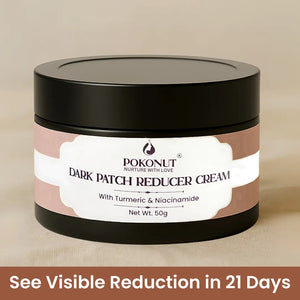
For focused concerns, a formulation like Dark Patch Reducer Cream can be used to gradually fade areas of excess pigmentation while keeping the skin barrier intact.
Niacinamide for Barrier Repair and Pigment Reduction
Niacinamide plays a dual role when it comes to melanin control. It does not stop melanin production directly but prevents the transfer of melanin to the surface skin cells. This reduces the visible appearance of dark spots over time.
More importantly, niacinamide strengthens the skin barrier by increasing ceramide production. A healthy barrier reduces inflammation, sensitivity, and pigment flare-ups.
Products such as Dark Spot Removal Cream, formulated with niacinamide, help improve uneven tone while reinforcing the skin’s natural defence system.
Also Read - Is Niacinamide Good for Dry Skin?
What to Avoid When Trying to Decrease Melanin in Skin
If your goal is how to decrease melanin in skin safely, knowing what to avoid is just as important as knowing what to use.
-
Steroid-based fairness creams, mercury-containing products, and unregulated hydroquinone use may suppress melanin temporarily but severely damage the skin barrier. This often results in rebound pigmentation, sensitivity, and long-term skin issues.
-
Over-exfoliation using scrubs, acids, or peels weakens the protective layer of the skin. This triggers inflammation, which ironically stimulates more melanin production.
-
Home remedies like lemon juice or baking soda disrupt the skin’s pH and cause micro-damage, making pigmentation worse over time.
When Professional Treatments May Be Needed
In some cases, pigmentation does not respond fully to topical care alone. Deep melasma or long-standing pigmentation may require professional treatments such as dermatologist-guided chemical peels or laser therapies.
These treatments should always be performed under medical supervision and combined with strict sun protection and barrier repair skincare. Aggressive procedures without proper aftercare often worsen pigmentation instead of resolving it.
Building a Long-Term Routine That Controls Melanin Naturally
If you truly want to understand how to reduce melanin in skin, consistency matters more than intensity. A routine that focuses on sun protection, barrier support, and gentle melanin regulation delivers stable and lasting results.
Morning care should focus on antioxidants like Vitamin C and sunscreen to prevent new pigmentation. Night care can include alpha arbutin or niacinamide-based products to regulate melanin and repair the skin barrier.
Visible improvement usually takes six to twelve weeks, depending on the depth of pigmentation and how consistently the routine is followed. Melanin control is a long-term process, not a quick fix.
About Doctor :