










Best Dark Spot Removal Cream by Dermatologist in India (2026)
- 1 Best Dark Spot Removal Cream in India Suggested by Dermatologist: 2026 Picks
- 2 The Actives That Fade Pigmentation (And How They Work)
- 3 Which Cream Is Best for Dark Spots? Match It to the Cause
- 4 Match the Cream to Your Skin Type
- 5 What Results to Expect - Week by Week
- 6 How to Use Your Cream for the Best Results
- 7 Why Your Dark Spots Aren't Fading
- 8 When to See a Dermatologist

Medically Reviewed By:
Dr. Mousumi Dash, BAMS
Written by Our Editorial Team
Dr. Mousumi Dash, BAMS
Written by Our Editorial Team
Medically Reviewed By:About the Reviewer
Dark spots are one of the most common and stubborn skin concerns in India. Whether they come from acne marks, sun exposure, or hormonal changes, they can make skin look uneven and dull. The good news: with the right actives and a little patience, most spots fade. This guide breaks down what works, how to pick the right cream for dark spots and pigmentation, and what results to realistically expect.
Dermatologists agree on one thing: the earlier you treat dark spots, the easier they are to fade. Older, deeper pigmentation takes longer. So the sooner you start with a proven formula, the better.

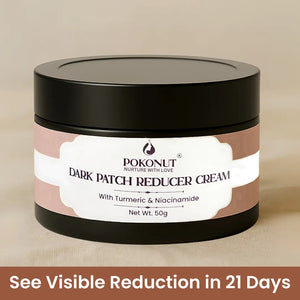
Dark Spot Removal Cream
Dark spots, acne scars, and pigmentation can make your skin look uneven and dull, affecting your confidence. Whether...
Shop Now →Best Dark Spot Removal Cream in India Suggested by Dermatologist: 2026 Picks
Here's a quick comparison of trusted options. Use it to match a formula to your concern before reading the details below.
|
Product |
Key Ingredients |
Best For |
|
10% Niacinamide, 1% Kojic Acid, Hyaluronic Acid, Bearberry, Papaya, Aloe |
Sensitive skin, daily use, uneven tone, acne marks |
|
|
The Derma Co 10% Vitamin C |
Ethyl Ascorbic Acid, Hyaluronic Acid |
Sun spots, general brightening |
|
Minimalist Alpha Arbutin 2% |
Alpha Arbutin, Hyaluronic Acid |
Beginners, gentle fading |
|
Mamaearth Bye Bye Blemishes |
Mulberry Extract, Vitamin C |
Mild spots, daily glow |
|
Dot & Key Cica Niacinamide |
Niacinamide, Cica |
Acne-prone, uneven tone |
The Actives That Fade Pigmentation (And How They Work)
Dark spots form when the skin makes too much melanin in one area. Effective creams work by slowing that melanin, speeding up skin renewal, and protecting the skin barrier. These are the ingredients dermatology research and skin experts widely accept as effective:
|
Ingredient |
How It Works |
Best For |
|
Slows the transfer of melanin to skin cells, calms inflammation, and strengthens the skin barrier |
Sensitive, acne-prone, and hyperpigmented skin |
|
|
Blocks tyrosinase, the enzyme that produces melanin |
Sun spots, age spots, stubborn marks |
|
|
Antioxidant that reduces melanin and brightens overall tone |
Dull skin, sun damage, uneven tone |
|
|
Alpha Arbutin / Bearberry |
Gently blocks melanin with little to no irritation |
Sensitive skin, mild pigmentation |
|
Azelaic Acid |
Reduces melanin and calms inflammation |
Post-acne marks, melasma |
|
Deeply hydrates and supports the skin barrier |
All skin types, especially dry skin |
If you want a closer look at each active, see our detailed guide to the top ingredients in a dark spot removal cream.
Which Cream Is Best for Dark Spots? Match It to the Cause
Not every spot needs the same active. The most common mistake is buying a random cream instead of matching it to why your spots appeared. Here's a simple guide.
|
Your dark spots come from… |
Prioritise |
Why |
|
Niacinamide, Azelaic Acid |
Calm inflammation while fading the mark |
|
|
Sun and tan |
Kojic Acid, Vitamin C |
Target melanin triggered by UV rays |
|
Alpha Arbutin, gentle actives + strict SPF |
Melasma is sensitive; harsh actives can worsen it |
|
|
Body (neck, elbows, underarms) |
Turmeric, Alpha Arbutin |
Body skin is thicker and needs a dedicated body formula |
Match the Cream to Your Skin Type
|
Skin Type |
Look For |
Avoid |
|
Oily |
Niacinamide, Alpha Arbutin, non-comedogenic (won't clog pores) |
Thick, heavy creams |
|
Dry |
Hyaluronic Acid + Kojic Acid, barrier support |
Lightweight lotions used alone |
|
Sensitive |
Bearberry, Aloe, no-hydroquinone formulas |
Strong AHAs and retinol |
|
Acne-prone |
Niacinamide, non-comedogenic |
Greasy oils and rich balms |
What Results to Expect - Week by Week
Fading dark spots takes time because skin renews itself roughly every four weeks. Setting realistic expectations helps you stay consistent, which is the real secret to results.
-
Weeks 1–2: Your skin adjusts. It feels more hydrated and smooth, but spots won't visibly fade yet. This is normal.
-
Weeks 3–4: Newer and lighter spots start to soften at the edges as skin renews.
-
Weeks 5–6: Most people see a clear, more even tone. This matches the visible results Pokonut users typically report.
-
Beyond 6 weeks: Deeper or older pigmentation continues to fade with consistent use and daily sunscreen.
How to Use Your Cream for the Best Results
Even the best cream underperforms if used incorrectly. Follow these simple steps:
-
Cleanse your face with a gentle face wash and pat dry.
-
Apply a thin layer of the cream directly on the dark spots.
-
Wait a minute for it to fully absorb.
-
Follow with a moisturiser to lock in hydration.
-
In the morning, always finish with broad-spectrum sunscreen (SPF 30 or higher).
-
Use daily and stay consistent for at least 4–6 weeks.
Sunscreen is the single most important step. Dermatology bodies worldwide agree that without daily sun protection, UV rays keep triggering melanin and undo your progress.
Why Your Dark Spots Aren't Fading
If your spots aren't improving, one of these dark sports cream common mistakes is usually the reason:
-
Skipping sunscreen. UV exposure darkens spots and cancels out your cream's work.
-
DIY lemon juice. It's too acidic, damages the skin barrier, and can make pigmentation worse.
-
Layering too many actives. Mixing strong ingredients can irritate skin and slow healing.
-
Popping pimples. This deepens acne marks and creates new dark spots.
-
Quitting too early. Real results take weeks, stopping at week two means you never see them.
-
Not moisturising. Dry, stressed skin heals slower and pigments more easily.
When to See a Dermatologist
Most mild to moderate dark spots respond well to a good cream and sunscreen. But see a dermatologist if your spots have lasted more than six months, if you have melasma, or if you see no change after consistent use. Deep pigmentation sometimes needs professional treatments like chemical peels or lasers alongside your cream.
About Doctor :