









10 Best Pigmentation Creams by Dermatologists in India (2026)
- 1 What Causes Pigmentation?
- 2 10 Best Pigmentation Creams Recommended by Dermatologist Standards
- 2.1 Pokonut Dark Spot Removal Cream
- 2.2 The Derma Co 10% Vitamin C Cream
- 2.3 Dr. Sheth's Kesar & Kojic Daily Cream
- 2.4 Minimalist 2% Alpha Arbutin Serum
- 2.5 Be Bodywise Pigmentation Repair Cream
- 2.6 Conscious Chemist Pigmentation Corrector
- 2.7 Fixderma Skarfix Plus Cream
- 2.8 Dot & Key Cica Niacinamide Cream
- 2.9 Pure Bubbles Retinol Cream
- 2.10 Vaadi Herbals Lemongrass Cream
- 3 Types of Pigmentation
- 4 Which Ingredients Do Dermatologists Recommend for Pigmentation?
- 5 How to Choose the Right Pigmentation Cream for Your Skin
- 6 Common Mistakes While Treating Pigmentation
- 7 How Long Does a Pigmentation Cream Take to Work?
- 8 When Should You See a Dermatologist?
- 9 The Bottom Line

Medically Reviewed By:
Dr. Mousumi Dash, BAMS
Written by Our Editorial Team
Dr. Mousumi Dash, BAMS
Written by Our Editorial Team
Medically Reviewed By:About the Reviewer
Pigmentation is one of the most common skin concerns in India. It shows up as dark spots, uneven skin tone, acne marks, melasma, and sun damage, and it affects people of every age and skin type. The good news is that pigmentation fades. With the right ingredients, daily sun protection, and a little patience, most people see clearer, more even skin over a few weeks. This guide lists the best options and helps you pick the one that suits your skin.
Key Takeaways
-
Pigmentation happens when skin makes extra melanin in some areas.
-
Proven ingredients include niacinamide, kojic acid, vitamin C, alpha arbutin, and azelaic acid.
-
Most creams show results in 8–12 weeks with daily use.
-
Sunscreen is essential — without it, pigmentation keeps coming back.
-
Gentle, hydrating formulas are safer for daily, long-term use.
What Causes Pigmentation?
Pigmentation forms when cells called melanocytes produce extra melanin, the pigment that gives skin its colour. A few common triggers drive this:
-
Sun exposure (UV rays): The biggest cause. UV tells your skin to make more melanin, leading to sun spots and tanning.
-
Post-inflammatory hyperpigmentation (PIH): Dark marks left behind after acne, cuts, or irritation.
-
Hormones: Pregnancy, birth control, or hormonal shifts can cause melasma — larger brown patches.
-
Pollution and ageing: Free radicals and slower skin renewal make marks more stubborn over time.
Because the pigment sits inside your skin cells, fading it takes gentle, consistent care — not harsh scrubbing or quick "fairness" fixes.

Dark Spot Removal Cream
Dark spots, acne scars, and pigmentation can make your skin look uneven and dull, affecting your confidence. Whether...
Shop Now →10 Best Pigmentation Creams Recommended by Dermatologist Standards
Here are ten trusted options, chosen for their ingredients, safety, and skin fit.
1. Pokonut Dark Spot Removal Cream
Best for: dark spots, uneven tone, sensitive skin, and daily use.
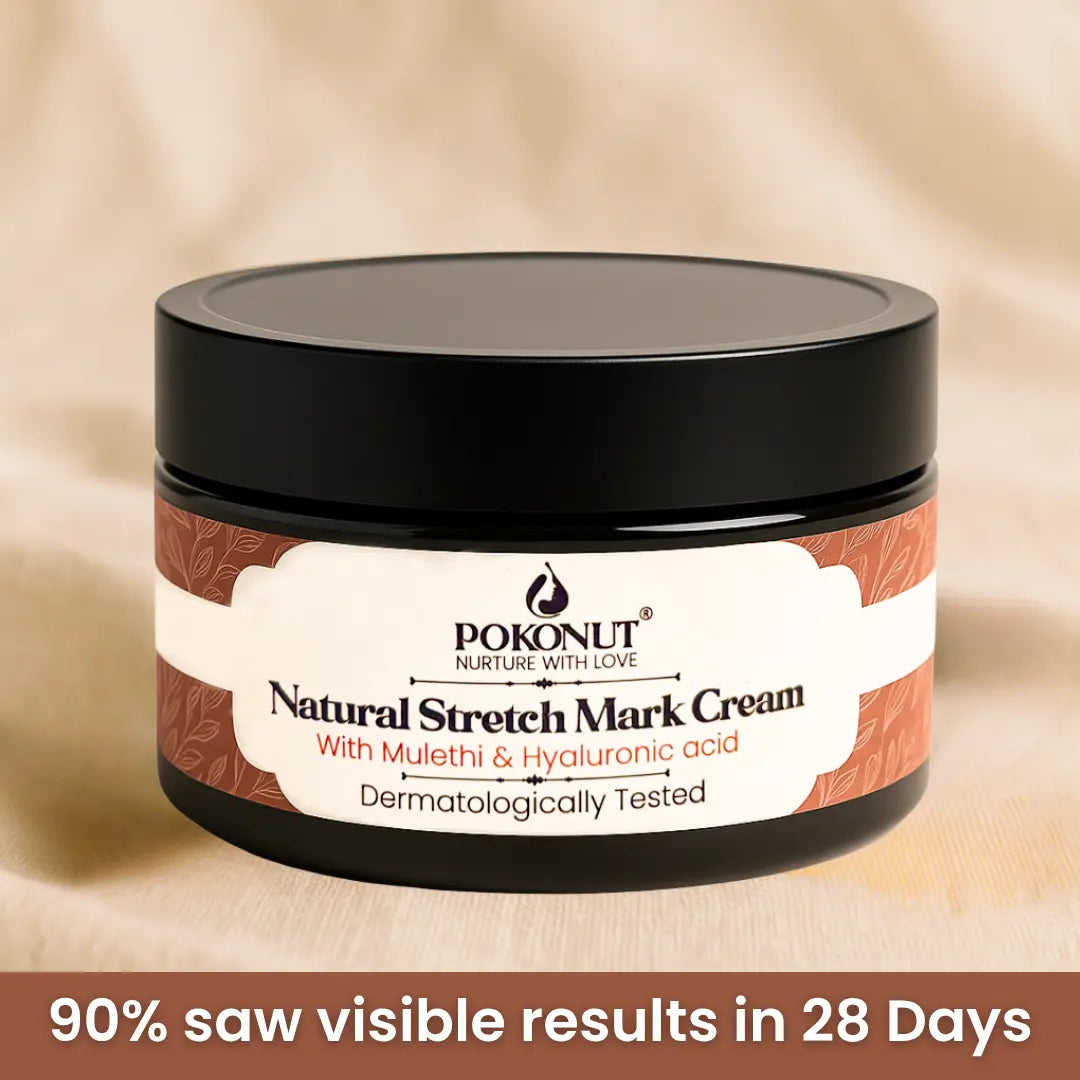
The Pokonut Dark Spot Removal Cream pairs 10% niacinamide and 1% kojic acid with hyaluronic acid and bearberry to fade pigmentation while keeping skin hydrated. It is free from hydroquinone, so it stays gentle enough for everyday use, even on sensitive skin.
-
Fades dark spots, acne marks, and uneven tone
-
Slows excess melanin with niacinamide and kojic acid
-
Hydrates and strengthens the skin barrier
-
Suitable for all skin types, men and women
2. The Derma Co 10% Vitamin C Cream
Best for: sun spots, dullness, and general brightening.
This cream uses vitamin C to target sun-induced spots and dull skin. Vitamin C is an antioxidant that reduces melanin and brightens overall tone with regular use.
-
Brightens dull, uneven skin
-
Helps fade sun spots
-
Adds antioxidant protection
-
Suitable for daily morning use
3. Dr. Sheth's Kesar & Kojic Daily Cream
Best for: sun pigmentation, tanning, and uneven tone.
This daily cream combines kojic acid, which slows melanin production, with kesar (saffron) for added brightness. It is a gentle option for everyday sun-related pigmentation.
-
Reduces dark spots and tanning
-
Brightens and evens tone
-
Hydrates while correcting
-
Light enough for daily use
4. Minimalist 2% Alpha Arbutin Serum
Best for: beginners and gentle, gradual fading.
Alpha arbutin is a gentle melanin blocker with a low risk of irritation, which makes this serum a good choice for first-time users or sensitive skin. Its lightweight texture layers easily under other products.
-
Fades mild pigmentation gradually
-
Low risk of irritation
-
Easy to layer in a routine
-
Suitable for most skin types
5. Be Bodywise Pigmentation Repair Cream
Best for: mild pigmentation and dull skin.
This cream uses niacinamide and alpha arbutin to reduce discolouration and improve tone. It also supports the skin barrier for healthier-looking skin over time.
-
Fades dark spots gradually
-
Strengthens the skin barrier
-
Improves skin radiance
-
Suitable for daily use
6. Conscious Chemist Pigmentation Corrector
Best for: acne marks and oily skin.
A lightweight formula that blends into skin without feeling greasy, making it well suited to oily and acne-prone skin. It helps fade marks while keeping skin balanced.
-
Fades acne marks and dark spots
-
Lightweight and fast-absorbing
-
Good for oily, combination skin
-
Non-greasy daily wear
7. Fixderma Skarfix Plus Cream
Best for: post-acne pigmentation.
This cream focuses on acne scars and post-inflammatory marks, supporting skin renewal and clarity with regular use. It is a targeted option for stubborn acne-related pigmentation.
-
Reduces acne marks
-
Improves skin texture
-
Supports skin renewal
-
Suitable for sensitive skin
8. Dot & Key Cica Niacinamide Cream
Best for: acne-prone skin and uneven tone.
This cream pairs niacinamide with cica (centella) to calm skin and fade marks. It is useful for acne-prone skin that needs gentle correction without heaviness.
-
Calms and soothes irritated skin
-
Fades uneven tone
-
Lightweight daily use
-
Supports the skin barrier
9. Pure Bubbles Retinol Cream
Best for: melasma and ageing-related pigmentation.
A retinol cream that speeds up skin renewal to fade deeper pigmentation and early signs of ageing. It works best at night and should not be used during pregnancy.
-
Reduces melasma and dark spots
-
Promotes skin renewal
-
Supports skin firmness
-
Best used in a night routine
10. Vaadi Herbals Lemongrass Cream
Best for: mild pigmentation and a budget herbal option.
A herbal, budget-friendly cream that helps brighten dull skin and reduce mild pigmentation with regular massage. It is a gentle daily choice for those who prefer natural formulas.
-
Brightens dull skin
-
Nourishes and hydrates
-
Gentle herbal formula
-
Suitable for regular use
Types of Pigmentation
Knowing your type of pigmentation helps you pick the right ingredients.
|
Type |
Appearance |
Common Cause |
Best Ingredients |
|
Brown marks after acne |
Acne, injury |
Niacinamide, Azelaic Acid |
|
|
Large brown patches |
Hormones, UV exposure |
Tranexamic Acid, Azelaic Acid |
|
|
Sun spots |
Small dark spots |
UV damage |
Vitamin C, Kojic Acid |
|
Freckles |
Tiny brown dots |
Genetics + sun |
Sunscreen, Vitamin C |
Which Ingredients Do Dermatologists Recommend for Pigmentation?
The ingredient list decides how well a cream works. These actives are widely accepted for fading pigmentation safely.
|
Ingredient |
How It Works |
Best For |
|
Slows melanin transfer and strengthens the skin barrier |
Sensitive skin, dullness, uneven tone |
|
|
Blocks tyrosinase, the enzyme that makes melanin |
Dark spots, sun pigmentation |
|
|
Antioxidant that brightens and reduces melanin |
Sun spots, dull skin |
|
|
Gentle melanin blocker with low irritation risk |
Sensitive skin, beginners |
|
|
Azelaic Acid |
Reduces melanin and calms inflammation |
Acne marks, melasma |
|
Tranexamic Acid |
Helps reduce stubborn melasma and discolouration |
Hormonal melasma |
How to Choose the Right Pigmentation Cream for Your Skin
The best cream depends on your skin type and the kind of pigmentation you have.
|
Skin Type |
Look For |
Avoid |
|
Oily / acne-prone |
Niacinamide, lightweight, non-comedogenic |
Heavy, greasy creams |
|
Dry |
Kojic acid with hyaluronic acid, barrier support |
Strong acids used alone |
|
Sensitive |
Alpha arbutin, bearberry, hydroquinone-free |
High-strength actives, harsh scrubs |
|
All types / daily use |
Niacinamide + kojic acid, hydrating base |
Bleaching claims |
Common Mistakes While Treating Pigmentation
Even a good cream underperforms if used the wrong way. Avoid these common mistakes:
-
Skipping sunscreen. UV exposure is the top cause of pigmentation, so no cream works without a daily broad-spectrum SPF 50.or higher.
-
Expecting instant results. Fading takes 8–12 weeks. Quick "fairness" promises are misleading.
-
Over-layering actives. Using too many strong ingredients at once irritates skin and can worsen marks.
-
Quitting too early. Stopping before 12 weeks means you never see the full result.
-
Picking at acne. This deepens marks and creates new pigmentation.
How Long Does a Pigmentation Cream Take to Work?
Pigmentation does not fade overnight, because skin renews itself slowly.
-
Mild spots and PIH: Often lighter in 8–12 weeks with daily use.
-
Deep or hormonal pigmentation (melasma): Usually needs several months, and can return without sun protection.
No cream removes pigmentation in days. Consistency and daily sunscreen matter more than the strength of any single product.
When Should You See a Dermatologist?
Most everyday pigmentation improves with a good cream and sunscreen. See a dermatologist if:
-
Your pigmentation has not improved after 12 weeks of consistent use and daily SPF.
-
You have deep melasma or large patches that keep returning.
-
You notice sudden changes in colour, size, or texture.
-
You want faster results, which may need chemical peels or other clinical treatments.
Deep pigmentation is a medical concern, and expert care is the safest route.
The Bottom Line
Fading pigmentation comes down to three things: proven actives, daily sun protection, and consistency. Ingredients like niacinamide, kojic acid, vitamin C, and alpha arbutin are widely accepted for safely improving skin tone, while harsh bleaching claims are best avoided. The right choice depends on your pigmentation type and skin, match the ingredients to your concern, use the cream daily, and give it 8–12 weeks. Above all, pair it with a broad-spectrum sunscreen, because without sun protection, even the best cream cannot keep pigmentation away.
About Doctor :