









What Causes Whiteheads and How to Remove Them
- 1 What Are Whiteheads and How Do They Form?
- 1.1 How whiteheads develop inside pores
- 2 What Causes Whiteheads? Key Scientific Reasons
- 2.1 Excess sebum production
- 2.2 Dead skin cell buildup
- 2.3 Hormonal changes
- 2.4 Use of pore clogging products
- 2.5 Lifestyle and environmental triggers
- 3 How to Remove Whiteheads Safely Without Damaging Skin
- 4 How to Remove Whiteheads From Face and Prevent Them Long Term
- 5 When to Seek a Dermatologist

Medically Reviewed By:
Dr. Mousumi Dash, BAMS
Written by Our Editorial Team
Dr. Mousumi Dash, BAMS
Written by Our Editorial Team
Medically Reviewed By:About the Reviewer
Whiteheads form when pores become blocked with excess oil, dead skin cells and bacteria, leading to small closed bumps on the skin. Understanding the exact cause is important because whiteheads are not simply a surface problem but a result of internal skin processes like oil imbalance and improper skin cell shedding. Many people try random remedies without knowing the scientific reason behind them, which often worsens the condition. The right approach focuses on clearing pores safely, controlling oil production and maintaining skin balance. This guide explains the real causes and practical methods of how to remove whiteheads using dermatology backed methods that are safe and effective.
What Are Whiteheads and How Do They Form?
Whiteheads are a mild form of acne known as closed comedones. They develop when a pore becomes blocked and the opening remains closed, trapping oil and skin debris inside. Because the pore is closed, the trapped material appears white or skin coloured instead of turning black like blackheads.
These usually appear in areas where oil glands are more active such as the forehead, nose, chin and sometimes on the cheeks or back. Dermatology research confirms that acne formation starts inside the pore due to oil imbalance rather than external dirt alone.
How whiteheads develop inside pores
Whiteheads develop when the skin produces more oil than needed and dead skin cells fail to shed properly. These two mix together and block the pore opening. Inside the blocked pore, acne causing bacteria may multiply, which can worsen the blockage. Since the pore remains closed, the material stays trapped and forms a visible white bump. This process is recognised by dermatology research as the main pathway of acne formation.
Also Read - Difference Between Blackheads and Whiteheads?
What Causes Whiteheads? Key Scientific Reasons
Excess sebum production
Whiteheads often develop when sebaceous glands produce excess oil. This oil is necessary for skin protection, but overproduction makes pores sticky and easier to clog. Hormonal changes, genetics and stress can all increase oil production. When excess oil mixes with dead skin, it creates the perfect condition for pore blockage. This is why people with oily skin types are more prone to frequent whiteheads.
Also Read - What Is Sebum Production?
Dead skin cell buildup
Skin naturally sheds old cells and replaces them with new ones. When this process slows down, dead skin cells remain on the surface and enter pores. Without proper cleansing or gentle exfoliation, these cells accumulate and block pores. Research shows improper shedding of skin cells is one of the major triggers behind comedonal acne such as whiteheads.
Hormonal changes
Hormones play a major role in acne development. During puberty, menstrual cycles, stress or hormonal imbalance conditions, the body produces more androgens. These hormones signal oil glands to produce more sebum. Increased oil makes pore blockage more likely. This explains why whiteheads often increase during hormonal fluctuations rather than because of hygiene alone.
Use of pore clogging products
Certain skincare and makeup products contain heavy ingredients that block pores. Thick creams, oily sunscreens and comedogenic makeup can trap oil and debris inside pores. When these products are not removed properly, they increase whitehead formation. Dermatologists usually recommend lightweight and non pore clogging formulations to reduce this risk.
Lifestyle and environmental triggers
Daily habits also influence whitehead formation. Sweat, pollution and touching the face frequently can transfer bacteria and dirt to the skin. Not washing after sweating can also trap impurities inside pores. Stress and poor sleep may increase cortisol levels which can indirectly increase oil production. These factors together make skin more prone to breakouts.

Anti acne soap -100g
Neem's antibacterial powers, tulsi's calming effects, and herbal extracts are combined in this anti-acne soap to figh...
Shop Now →How to Remove Whiteheads Safely Without Damaging Skin
When trying how to remove whiteheads, the goal should always be to clear pores without irritating the skin. Safe removal focuses on reducing oil, clearing blockage and protecting the skin barrier. Follow these dermatologist-recommended steps:
1. Use a gentle cleanser twice daily to remove excess oil and impurities without disturbing the skin barrier. A consistent cleansing routine using products such as Pokonut Kumkumadi Face Wash may help support this step by helping remove daily oil buildup that can clog pores.
2. Steam your face for about 5 to 10 minutes occasionally to help soften clogged pores so that treatments can work more effectively.
3. Apply treatments that help control bacteria and excess sebum. Skincare designed for acne prone skin such as the Pokonut Anti-Acne Soap Kit may support this step by helping reduce conditions that lead to clogged pores when used regularly.
4. If extraction is required, it should only be done carefully using sterile tools. Avoid squeezing with fingers because this can push bacteria deeper and cause marks.
5. Apply a lightweight non-comedogenic moisturizer after cleansing because dehydrated skin may produce more oil as a response.
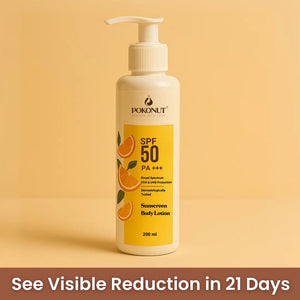
6. Use sunscreen during the day because acne treatments can make skin sensitive to sun exposure.
For those focusing on improving whitehead removal, removing pore-blocking impurities is also important:
1. Weekly gentle exfoliation may help remove dead skin cells that block pores. Products such as the Tan Removal Orange Peel Mask may support this process by helping clear surface impurities and improve skin texture when used occasionally.
2. Maintaining oil balance is important because both dryness and excess oil can trigger breakouts. Using small amounts of balancing formulations like Pokonut Kumkumadi Tailam Face Oil may help support skin nourishment without overloading pores when used carefully according to skin type.
How to Remove Whiteheads From Face and Prevent Them Long Term
If you want to understand how to remove white heads from face and stop them from coming back, prevention is as important as treatment. Consistent skin care habits help reduce future breakouts.
• Maintain a regular skincare routine with cleansing, treatment and moisturizing.
• Choose non-comedogenic skincare and makeup products.
• Change pillowcases regularly to reduce bacteria transfer.
• Avoid touching your face frequently to prevent pore contamination.
• Drink enough water to support healthy skin function.
• Remove makeup properly before sleeping to avoid pore blockage.
• Use dermatologist recommended retinoid products if suitable for your skin.
• Manage stress through proper sleep and relaxation since stress can increase oil production.
These habits help control the main causes of whiteheads such as excess oil, clogged pores and bacteria buildup.
When to Seek a Dermatologist
• If whiteheads keep returning despite proper skincare.
• If acne becomes painful, inflamed or starts leaving marks.
• If breakouts are spreading to multiple areas like chest or back.
• If over-the-counter treatments do not show improvement after 6 to 8 weeks.
• If whiteheads are linked with hormonal issues like PCOS or adult acne.
About Doctor :