










What Are Clogged Pores? Causes, Signs, Treatment, and Prevention Guide

Medically Reviewed By:
Dr. Mousumi Dash, BAMS
Written by Our Editorial Team
Dr. Mousumi Dash, BAMS
Written by Our Editorial Team
Medically Reviewed By:About the Reviewer
Skin pores are microscopic openings connected to oil glands that help maintain skin hydration and protection. When excess sebum, dead skin cells, and environmental impurities accumulate inside these openings, they form clogged pores. This condition is often the starting point of common skin concerns like blackheads, whiteheads, and acne. Understanding the science behind clogged pores helps in choosing the right skincare routine and prevention methods. Learning how pores function and why they get blocked is the first step toward healthier and clearer skin.
What Causes Pores to Get Clogged?
-
When the skin produces more oil than needed, the excess sebum mixes with dead skin cells and forms a thick mixture that blocks the pore opening. This is more common in oily and combination skin types.
-
Skin naturally renews itself by shedding dead cells, but when this shedding process becomes slow or irregular, the dead cells remain on the surface and enter pores, causing buildup and congestion.
-
Using heavy skincare or makeup products can create a layer over the skin that traps oil, sweat, and dirt. Over time, this increases the chances of pores getting blocked.
-
Daily exposure to pollution, dust, and sweat allows microscopic particles to settle on the skin. Without proper cleansing, these particles accumulate and contribute to clogged pores.
-
Hormonal fluctuations during puberty, stress, or menstrual cycles may increase oil production, making pores more vulnerable to blockage.
-
Poor skincare habits such as not removing makeup, irregular face washing, and frequently touching the face can transfer bacteria and increase pore congestion.
Also Read - Does Coconut Oil Clog Pores?
How to Unclog Pores Safely?
If you are trying to understand how to get rid of clogged pores, the focus should be on removing buildup gently while protecting the skin barrier. Dermatology research shows that gentle chemical exfoliation works better than harsh physical scrubbing.
How Retinol Helps Reduce Pore Blockage
Retinol works by increasing skin cell turnover, which means it helps the skin shed dead cells faster. This reduces the chances of dead skin accumulating inside pores. Over time, retinol also improves skin texture and reduces the formation of comedones. However, it should be introduced slowly because excessive use may cause dryness or sensitivity.
Role of Salicylic Acid in Clearing Pores
Salicylic acid is considered one of the most effective ingredients for clogged pores because it can dissolve oil inside pores. Being oil soluble, it penetrates deeper compared to many other exfoliating ingredients. It helps loosen debris inside pores, reduces blackheads, and prevents future blockages. Regular controlled use helps maintain clearer pores and smoother skin.
Other Effective Ingredients That Help Unclog Pores
Ingredients like niacinamide help regulate oil production while reducing inflammation. Clay and charcoal help absorb excess sebum from the skin surface. Natural soothing ingredients such as aloe vera help calm irritated skin while supporting recovery. Using such balanced ingredients together helps maintain pore hygiene without damaging the skin barrier.
Also Read - What vitamin stops sebum production?

Herbal Face Cream - 50g
Pokonut’s Herbal Face Cream: The Ultimate Solution for Radiant, Even-Toned Skin Discover the secret to ...
Shop Now →Daily Skincare Habits to Prevent Clogged Pores
-
Clean your face twice daily to remove excess oil, pollution, and sweat before they settle inside pores and cause blockage. Using a gentle cleanser such as a Kumkumadi based face wash can support cleansing without disturbing the skin barrier.
-
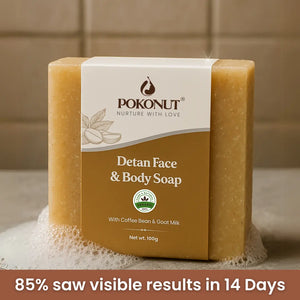
Always remove makeup before sleeping because leaving makeup overnight allows impurities to enter pores and increase congestion. Double cleansing with a mild face wash followed by a gentle soap based cleanser such as a charcoal soap can help ensure pores remain clear.
-
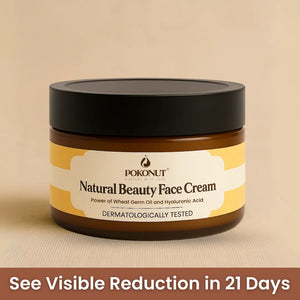
Use lightweight skincare products that are designed not to block pores, as heavy creams may trap oil and worsen clogged pores. Choosing balanced moisturisers like herbal creams that focus on hydration without heaviness may help maintain pore clarity.
-
Avoid touching your face unnecessarily since hands carry bacteria and dirt that can transfer to skin and contribute to pore blockage.
-
Maintain proper skin hydration because dehydrated skin may produce extra oil, which increases the risk of clogged pores on face. A simple routine of using a light moisturiser and occasionally a few drops of Kumkumadi Tailam face oil at night can help maintain oil balance and support skin repair.
-
Exfoliate gently once or twice a week to remove dead skin cells before they accumulate and block pores. Using mild exfoliating masks such as orange peel based masks occasionally may help keep the skin surface clear without over irritating it.
-
Follow a simple weekly reset routine where you focus on cleansing, gentle exfoliation, and barrier support instead of using too many active treatments. This helps skin stay balanced and reduces the chances of repeated pore congestion.
About Doctor :