










How to Repair a Damaged Skin Barrier: Causes and Best Treatments
- 1 What Is the Skin Barrier?
- 2 What Causes Skin Barrier Damage?
- 2.1 Over-exfoliation and harsh skincare
- 2.2 Overwashing or using strong cleansers
- 2.3 Environmental stress (UV rays and pollution)
- 2.4 Dehydration and lack of moisturization
- 2.5 Irritating ingredients in skincar
- 3 What Are the Signs Your Skin Barrier Is Damaged?
- 4 How Can You Repair a Damaged Skin Barrier?
- 4.1 Simplify your skincare routine
- 4.2 Use a gentle cleanser
- 4.3 Focus on hydration and moisturization
- 4.4 Avoid strong active ingredients temporarily
- 4.5 Protect skin from sun exposure
- 5 Which Ingredients Help Repair the Skin Barrier?
- 5.1 Ceramides
- 5.2 Hyaluronic acid
- 5.3 Niacinamide
- 5.4 Glycerin
- 5.5 Panthenol
- 6 How Can You Protect Your Skin Barrier From Future Damage?

Medically Reviewed By:
Dr. Mousumi Dash, BAMS
Written by Our Editorial Team
Dr. Mousumi Dash, BAMS
Written by Our Editorial Team
Medically Reviewed By:About the Reviewer
Your skin barrier is the outermost layer of your skin that protects it from pollution, bacteria, moisture loss and environmental damage. When this barrier becomes weak, skin starts showing signs like dryness, irritation, sensitivity and frequent breakouts. Many people focus only on treating symptoms without repairing the root problem, which is the damaged barrier itself. Repairing the barrier requires gentle care, hydration and avoiding ingredients that stress the skin. Understanding what damages the barrier and how to repair it properly helps restore skin strength and maintain long term skin health.
What Is the Skin Barrier?
The skin barrier is the outer protective layer of the skin, also known as the stratum corneum. It works like a shield that keeps harmful elements out while locking moisture inside. Dermatology research often compares it to a brick wall where skin cells act like bricks and natural lipids act like the cement holding them together.
When this structure is strong, skin remains smooth, hydrated and resistant to irritation. When it becomes weak, moisture escapes easily and irritants enter more easily. This leads to dryness, sensitivity and uneven skin texture. Maintaining this barrier is considered essential for healthy skin function according to dermatology studies.
What Causes Skin Barrier Damage?
Over-exfoliation and harsh skincare
Using strong exfoliating acids, scrubs or retinoids too frequently can remove the natural lipids that protect the skin. When this protective layer weakens, the skin loses moisture faster and becomes sensitive. Dermatology guidance suggests limiting exfoliation based on skin tolerance to prevent barrier damage.
Overwashing or using strong cleansers
Washing the face too often or using harsh foaming cleansers can strip the skin of its natural oils. These oils are essential for maintaining the protective barrier. When they are removed repeatedly, skin may become dry, tight and more reactive.
Environmental stress (UV rays and pollution)
Sun exposure and pollution create oxidative stress on the skin. Over time this weakens the barrier and increases moisture loss. This is why dermatologists recommend daily sunscreen and cleansing to reduce environmental damage.
Dehydration and lack of moisturization
When skin lacks hydration, the barrier cannot function properly. Without enough moisture, small cracks may develop in the barrier structure, leading to irritation and dryness. Regular moisturization helps restore this protective layer.
Irritating ingredients in skincare
Products containing high alcohol content, artificial fragrance or strong preservatives may irritate sensitive skin. These ingredients can disrupt the skin’s natural balance and weaken the barrier if used frequently.
Also Read - What vitamin deficiency causes dry and flaking skin?
What Are the Signs Your Skin Barrier Is Damaged?
A damaged skin barrier usually shows clear warning signs because the skin loses its ability to hold moisture and protect itself from external stress. Some common signs include:
-
Skin feels dry and may show flaking even after applying moisturizer because moisture escapes easily from a weakened barrier.
-
Redness or irritation appears more often, especially after using skincare products that previously did not cause any reaction.
-
Skin becomes more sensitive and may sting or burn when applying even mild products.
-
Small breakouts or bumps may appear because a weak barrier can increase inflammation and make pores more reactive.
-
Skin may feel tight or stretched after washing, which usually indicates loss of protective natural oils.
-
Skin texture may feel rough or look dull due to improper hydration and slow skin recovery.
These signs usually indicate that the skin needs repair through gentle skincare and proper hydration rather than strong treatments.
How Can You Repair a Damaged Skin Barrier?
Simplify your skincare routine
When the barrier is damaged, using too many products can increase irritation. Dermatologists often recommend reducing skincare to basic steps like gentle cleansing, moisturizing and sun protection. This allows the skin time to repair naturally.
Use a gentle cleanser
Switching to a mild cleanser helps clean the skin without removing protective oils. Gentle cleansing reduces irritation and supports recovery. This is usually the first step recommended when repairing a compromised barrier.
Focus on hydration and moisturization
Hydration helps restore the lipid layer that holds the skin barrier together. Using moisturizers regularly helps reduce water loss and improves skin comfort. Barrier recovery improves when skin remains properly hydrated.
Avoid strong active ingredients temporarily
During repair, it is often recommended to pause strong exfoliating acids and retinoids. These ingredients may slow recovery if the skin is already irritated. Reintroducing them slowly after healing helps avoid further damage.
Protect skin from sun exposure
UV exposure can slow down skin repair and worsen sensitivity. Using sunscreen daily helps prevent further barrier weakening and supports the healing process.
Also Read - Daily Skincare Routine To Prevent Dark Patches and Circles
Which Ingredients Help Repair the Skin Barrier?
Ceramides
Ceramides are natural lipids found in the skin barrier. They help rebuild the protective layer and reduce moisture loss. Dermatology research often identifies ceramides as essential for restoring barrier strength.
Hyaluronic acid
Hyaluronic Acid ingredient helps attract and hold moisture in the skin. Proper hydration allows skin cells to repair more effectively. Hyaluronic acid is commonly recommended for improving skin hydration during barrier repair.
Niacinamide
Niacinamide helps strengthen the skin barrier and reduce inflammation. It also supports oil balance and improves skin resilience. Many dermatology formulations use niacinamide for barrier recovery.
Glycerin
Glycerin is a humectant that helps the skin retain moisture. It improves hydration levels and supports skin repair. It is widely used in barrier repair formulations because of its gentle action.
Panthenol
Panthenol helps soothe irritated skin and supports healing. It improves hydration and reduces discomfort caused by barrier damage. It is often recommended for sensitive or stressed skin.

Herbal Face Cream - 50g
Pokonut’s Herbal Face Cream: The Ultimate Solution for Radiant, Even-Toned Skin Discover the secret to ...
Shop Now →How Can You Protect Your Skin Barrier From Future Damage?
Preventing future damage is mostly about maintaining balance and avoiding practices that stress the skin.
-
Keep your skincare routine simple and avoid changing products too frequently as this may irritate the skin.
-
Avoid over-exfoliating. Limit exfoliation based on your skin type rather than using it daily.
-
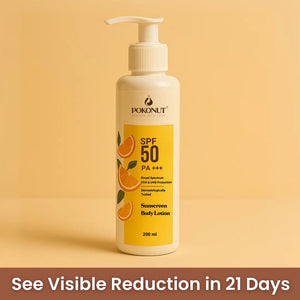
Always use sunscreen to protect the skin from UV damage which weakens the barrier over time.
-
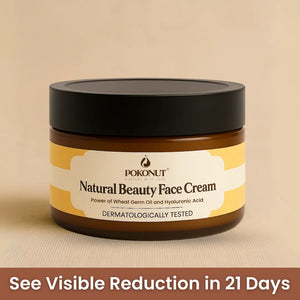
Maintain proper hydration through moisturizers. Using nourishing formulations such as Pokonut Herbal Face Cream may help support moisture balance when skin feels dry or stressed.
-
Support skin repair with gentle oil based nourishment when required. Applying small amounts of Kumkumadi Tailam Face Oil may help support skin nourishment and barrier comfort when used appropriately for your skin type.
-
Drink enough water and maintain a balanced diet since overall hydration supports skin recovery.
-
Avoid harsh products with strong fragrance or alcohol if your skin is sensitive.
Following these habits consistently helps maintain a stronger skin barrier and reduces the chances of recurring irritation.
About Doctor :