








How to Prevent Breakouts During Pregnancy Safely and Gently
- 1 Why Pregnancy Triggers Breakouts
- 2 Gentle and Safe Ways to Prevent Breakouts During Pregnancy
- 2.1 Cleansing Without Stripping the Skin
- 2.2 Managing Oil and Inflammation Gently
- 2.3 Supporting the Skin Barrier
- 2.4 Sun Protection to Prevent Inflammation and Marks
- 3 Simple Pregnancy-Safe Daily Routine
- 4 Lifestyle Habits That Help Reduce Pregnancy Breakouts
- 5 What Not to Do When Breakouts Appear During Pregnancy
- 6 When to Speak to a Dermatologist or Gynaecologist

Medically Reviewed By:
Dr. Mousumi Dash, BAMS
Written by Our Editorial Team
Dr. Mousumi Dash, BAMS
Written by Our Editorial Team
Medically Reviewed By:About the Reviewer
Breakouts during pregnancy occur due to hormonal fluctuations that directly influence sebaceous gland activity, skin inflammation, and barrier stability. Rising androgen levels can increase oil production, while pregnancy-related changes make the skin more sensitive and reactive. These biological shifts create conditions where pores clog more easily and inflammation is triggered faster.
Understanding how to prevent breakouts during pregnancy requires a prevention-first approach that supports skin balance instead of relying on aggressive acne treatments, many of which are unsuitable during pregnancy. Gentle cleansing, barrier protection, and inflammation control are the most effective and safest ways to reduce breakouts during this period.
Why Pregnancy Triggers Breakouts
Pregnancy hormones, particularly androgens, stimulate oil glands and increase sebum output. This excess oil can mix with dead skin cells and clog pores. At the same time, pregnancy can temporarily weaken the skin barrier, increasing sensitivity and inflammation.
Because of this combination, breakouts may appear even in women who previously had clear skin. These changes are physiological and usually temporary, which is why safe prevention is preferred over strong corrective treatments.
Also Read - When Does Pregnancy Acne Start?

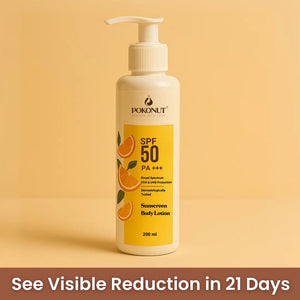
Pokonut Sunscreen Body Lotion | SPF 50 PA+++ | 200ML
Experience unparalleled sun protection with Pokonut SPF 50 Sunscreen Body Lotion, the best body lotion with SPF avail...
Shop Now →Gentle and Safe Ways to Prevent Breakouts During Pregnancy
Preventing breakouts during pregnancy is about maintaining balance rather than forcing results. The skin needs support, not stress.
Cleansing Without Stripping the Skin
Cleansing plays a key role in preventing congestion, but harsh cleansers can do more harm than good during pregnancy. Over-cleansing strips natural lipids from the skin, which weakens the barrier and can increase irritation and oil rebound.
Gentle cleansing helps remove excess oil, sweat, and impurities without disrupting the skin’s protective layer. This supports daily hygiene while reducing the chances of clogged pores.
This is where Pokonut Anti Acne Soap fits logically. It can be used as a mild cleansing option that helps manage excess oil and surface impurities while remaining gentle enough for sensitive, pregnancy-affected skin. It should be positioned as part of daily preventive care, not as a treatment for pregnancy acne.
Managing Oil and Inflammation Gently
Increased oil production during pregnancy does not mean the skin should be dried out. Drying the skin often increases inflammation and signals oil glands to produce even more sebum.
Calming the skin helps reduce redness, swelling, and the likelihood of pores becoming inflamed. Gentle routines that avoid irritation allow oil levels to stabilise naturally over time.
The goal here is not to eliminate oil but to prevent it from becoming trapped and inflamed.
Supporting the Skin Barrier
The skin barrier is the body’s first line of defence. During pregnancy, keeping this barrier healthy is especially important.
A strong barrier helps the skin retain moisture, reduces sensitivity, and limits inflammatory reactions that lead to breakouts. Hydration and moisture balance are essential, even for oily or acne-prone skin.
When the barrier is supported, the skin becomes more resilient and better able to handle hormonal fluctuations without breaking out.
Sun Protection to Prevent Inflammation and Marks
Sun exposure increases inflammation and can worsen both active breakouts and post-acne marks. Pregnancy also increases the risk of pigmentation, making sun protection even more important.
Daily sunscreen use helps prevent UV-induced inflammation and reduces the chances of acne marks becoming darker or more persistent.
Here, Pokonut Natural Sunscreen SPF 50 fits naturally into a pregnancy-safe routine. It can be positioned as a daily protective step that helps shield sensitive skin from UV damage without clogging pores, supporting both breakout prevention and overall skin health.
Simple Pregnancy-Safe Daily Routine
A routine during pregnancy should be minimal and consistent.
-
Cleanse gently in the morning to remove oil buildup without stripping the skin.
-
Apply lightweight hydration to support barrier balance.
-
Use sunscreen daily to protect against inflammation and pigmentation.
-
Cleanse gently again at night to remove sunscreen and impurities.
- Avoid layering multiple active products or frequently changing routines.
Also Read - How to Treat Acne During Pregnancy?
Lifestyle Habits That Help Reduce Pregnancy Breakouts
Lifestyle plays an important supporting role in skin health during pregnancy.
-
Maintain stable blood sugar levels through balanced meals to reduce hormonal fluctuations.
-
Stay adequately hydrated to support skin elasticity and barrier function.
-
Prioritise sleep, as skin repair and hormonal regulation occur during rest.
-
Manage stress levels, since elevated cortisol can increase inflammation and oil production.
Small, consistent habits often make a noticeable difference in skin behaviour.
What Not to Do When Breakouts Appear During Pregnancy
Certain reactions can worsen breakouts instead of helping.
-
Avoid spot treatments and drying products that increase irritation.
-
Do not experiment with new or strong actives during pregnancy.
-
Avoid DIY remedies and online skincare hacks.
-
Do not pick, scrub, or over-cleanse the skin, as this increases inflammation and the risk of marks.
When learning how to prevent breakouts during pregnancy, restraint and consistency are more effective than aggressive intervention.
When to Speak to a Dermatologist or Gynaecologist
While mild breakouts during pregnancy are common and usually manageable with gentle care, there are situations where professional guidance becomes important. Pregnancy alters how the body responds to inflammation and infection, so persistent or worsening skin concerns should not be ignored.
You should consider consulting a dermatologist or gynaecologist if:
-
Breakouts become painful, deep, or cystic and do not improve with consistent gentle care.
-
Acne shows signs of infection such as increasing redness, swelling, warmth, or discharge.
-
Breakouts are spreading rapidly or causing significant discomfort or scarring concerns.
-
You are unsure whether a skincare ingredient or product is safe to use during pregnancy.
Medical professionals can recommend pregnancy-safe options and help rule out underlying issues, ensuring that both skin health and overall pregnancy wellbeing are protected.
About Doctor :