









When Does Pregnancy Acne Start?

Medically Reviewed By:
Dr. Mousumi Dash, BAMS
Written by Our Editorial Team
Dr. Mousumi Dash, BAMS
Written by Our Editorial Team
Medically Reviewed By:About the Reviewer
Pregnancy acne is one of the most common skin changes women experience, and it can raise a lot of concern, especially if it appears suddenly and aggressively. Many expecting mothers search when does pregnancy acne start, whether it is normal, and how long it might last. Scientifically, pregnancy acne typically begins during the first trimester and is driven by rapid hormonal fluctuations — particularly the increase in androgens, which stimulate excess oil production and trigger breakouts. For some women, the acne may peak around the 6–12 week mark and continue into the second trimester.
Every pregnancy is unique, but understanding why it happens, when it appears, and how to safely manage it can make a huge difference in confidence and comfort.
When Does Pregnancy Acne Usually Start?
Most women begin noticing pregnancy acne in the first trimester, often around weeks 6 to 8, when hormone levels start rising sharply to support the developing baby. During this phase, the body produces more androgens, which increase sebum (oil) production. When pores become clogged with excess oil and dead skin cells, breakouts can appear — especially on the face, jawline, chin, chest and back.
For some women, acne can begin slightly later, around the second trimester, especially if there is a history of hormonal acne, polycystic ovarian syndrome (PCOS) or highly sensitive skin. A few women never develop acne at all — variation is normal and depends on the body’s hormonal balance.
What Causes Pregnancy Acne?
Pregnancy acne is primarily triggered by rapid hormonal changes that occur to support the developing baby. As hormone levels shift, the skin becomes more reactive and prone to oil imbalance, inflammation and clogged pores. These internal biological changes create conditions where acne can easily develop or worsen, even for women who normally have clear skin.
-
Increase in Androgens - Pregnancy increases androgen (male hormone) levels, which stimulates the sebaceous glands to produce excess sebum. When too much oil mixes with dead skin cells, pores clog and inflammation develops.
-
Slower Skin Cell Turnover - During pregnancy, natural exfoliation slows down. Dead cells accumulate on the surface and trap oil and bacteria, creating breakouts and rough texture.
-
Inflammation Response - The immune system shifts to protect the fetus, which can make the skin more sensitive and reactive, increasing redness and swelling around acne.
-
Stress & Sleep Disruption - Hormonal stress and irregular sleep elevate cortisol, which further encourages oil production and inflammation.
Together, these factors create the perfect environment for acne to form, particularly on the chin, jawline, back and chest.
How to Identify Pregnancy Acne vs Normal Acne
|
Feature |
Pregnancy Acne |
Normal Acne |
|
Cause |
Triggered by hormonal fluctuations during pregnancy, especially rising androgen levels and inflammation changes |
Caused by a mix of hormones, lifestyle, diet, skincare habits and genetics |
|
Timing |
Usually starts around week 6–12 of the first trimester and may peak in the second trimester |
Can appear at any time, unrelated to pregnancy stages |
|
Appearance & Texture |
More inflamed, painful bumps, deep red pimples or clusters; may be more stubborn |
Mixture of whiteheads, blackheads, small pimples and occasional inflammatory acne |
|
Location |
Commonly appears on chin, jawline, cheeks, chest and back (hormonal zones) |
Can appear anywhere on the face, forehead, nose and sometimes body |
|
Skin Response |
Often more reactive and sensitive due to pregnancy skin barrier changes |
Response varies based on skin type and routine |
|
Reaction to Products |
Resistant to regular acne products and may worsen with harsh ingredients |
Usually responds to typical acne treatments like retinoids or salicylic acid |
|
Associated Symptoms |
May occur with fatigue, nausea, appetite changes and sleep disruption |
Rarely linked with systemic symptoms |
|
Duration |
Can last until hormones stabilise after pregnancy or breastfeeding |
Duration depends on routine consistency and skin type |
How Long Does Pregnancy Acne Last?
Pregnancy acne typically lasts through the first trimester and may improve during the second trimester as hormones begin to stabilise. However, for some women, it can continue into the later months or until postpartum, depending on individual hormone levels and skin sensitivity. The duration varies widely based on genetics, stress, sleep, and skincare routine, but in most cases, it is temporary and resolves once hormones balance again.
Safe Ways to Manage Pregnancy Acne
Pregnancy-Safe Ingredients
Opt for gentle, dermatologist-supported ingredients such as azelaic acid, niacinamide, aloe vera, tea tree (diluted) and sulphur-based formulas, which help calm inflammation and balance oil without irritating sensitive skin. Many expecting mothers prefer mild, natural formulations that support barrier repair rather than harsh actives. If you are looking for soothing and pregnancy-friendly options, you can explore Pokonut’s gentle care range built around nourishment and barrier safety under anti acne, designed to support clearer and more comfortable skin during pregnancy.
Lifestyle Adjustments
Drink plenty of water, sleep 7–8 hours daily to balance stress hormones, and maintain clean pillowcases and phone screens. Avoid picking pimples and choose a simple, consistent routine, which helps reduce inflammation and prevents long-term marks.
Ingredients to Avoid
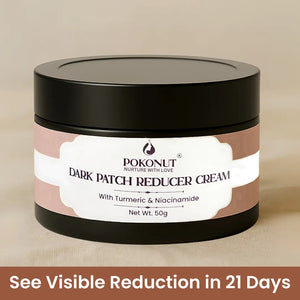
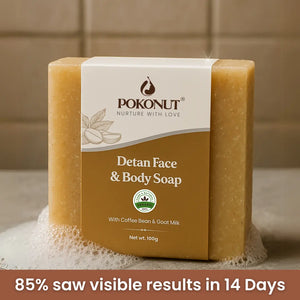
Avoid retinoids, strong chemical peels, benzoyl peroxide (unless medically supervised) and high-strength salicylic acid, as they may be unsuitable during pregnancy. Instead, many women benefit from gentler cleansing using supportive options like anti acne soap, which helps manage oil and impurities without stripping moisture, and from barrier-supportive products like a nourishing spot-care formula such as dark spots removal cream that helps fade marks gradually while being gentle on the skin.
When to See a Dermatologist
It is time to consult a specialist if:
-
Acne becomes painful, cystic or leaves marks
-
Breakouts spread rapidly across the face and body
-
Nothing helps even after consistent care
-
It affects confidence or emotional wellbeing
Doctors can recommend pregnancy-safe topical treatments or therapies.
FAQs
Is acne a sign of pregnancy?
It can be, especially when paired with missed periods, fatigue and nausea, but it is not a reliable confirmation. Always take a pregnancy test for clarity.
Does pregnancy acne mean you are having a boy or girl?
No. Gender myths have no scientific basis. Acne is purely hormonal.
Can pregnancy acne be prevented?
While you cannot fully prevent hormonal fluctuations, gentle skincare, hydration and barrier repair can significantly reduce severity.
Is it safe to treat acne during pregnancy with skincare?
Yes — but only with pregnancy-safe ingredients like azelaic acid, niacinamide and soothing botanicals. Avoid retinoids and harsh exfoliants.
How can Pokonut support pregnancy-safe skincare needs?
Pokonut offers gentle, natural and non-irritating formulations that focus on nourishment and skin barrier repair — helping maintain comfort and hydration while choosing pregnancy-safe care options. (Soft relevance only)
About Doctor :