






Dark Patches Around the Nose: Causes and How to Fade Them
Dark patches around the nose are most often caused by melasma, sun exposure, or darkening left behind by acne, friction or irritation. They can fade, but how you treat them depends on which one you have. The one step every type has in common is daily sunscreen, ideally a tinted one, because your nose gets more sun than almost any other part of your face. With sun protection and the right fading cream, most people see improvement over two to three months. Melasma is the exception: it can be controlled very well, but it tends to come back if you stop protecting your skin.
This guide helps you work out which type you have, what fades each one, and the common home remedies that make nose patches worse.
Why the nose darkens so easily
Your nose sticks out, so it catches sunlight from almost every angle. It's also one of the oiliest parts of your face, the place most people squeeze blackheads, and the spot you wipe raw during a cold or allergy season. Add spectacles resting on the bridge, or a face mask rubbing all day, and you have a small area that gets a lot of sun, friction and irritation. Each of those can tell your skin to make extra pigment.
The 5 common causes, and how to tell them apart
|
Cause |
What it looks like |
Where on the nose |
Clue |
|---|---|---|---|
|
Melasma |
Tan, brown or grey-brown patches with blurry edges |
Bridge and sides, usually matching patches on both cheeks |
Often worse after sun, pregnancy or starting birth control pills |
|
Sun damage and tanning |
Even darkening or small brown spots |
Tip and bridge |
Fades a little in winter, darkens in summer |
|
Marks after acne or squeezing |
Flat brown spots where a pimple or blackhead used to be |
Sides and crease of the nose |
You can remember the pimple |
|
Friction marks |
Darker band or spots |
Where spectacle pads sit, or where you wipe or rub |
Matches the shape of what's touching the skin |
|
Irritation or dryness |
Dull, rough, sometimes flaky darker skin |
Creases beside the nostrils |
Often flaky or itchy too |
Not sure if yours are spots or a wider patch? Our guide on the difference between pigmentation and dark spots helps you tell. If the skin beside your nostrils is also flaky, read about dry skin around the nose first, because treating the dryness often helps the colour too.
Is it melasma?
Melasma is the most likely cause if the patches are symmetrical. JAMA Dermatology describes it as tan, brown or grey-brown patches with uneven borders on sun-exposed areas of the face, including the nose. It's more common in people of Asian, African, Hispanic and Middle Eastern ancestry, and is triggered by sunlight, pregnancy, birth control pills and hormone therapy. (JAMA Dermatology, 2026) The AAD notes that on darker skin it can look bluish grey, and that it doesn't itch or hurt. (AAD)
To compare it with ordinary spots, see dark spots vs melasma. If it started during pregnancy, here's what to expect with melasma after delivery.
Two less obvious causes worth knowing
-
Lemon or lime juice remedies. Applying citrus juice and then stepping into the sun can cause a reaction called phytophotodermatitis, which leaves streaky dark marks. The MSD Manual lists limes as a classic trigger. (MSD Manual) So the popular "rub lemon on your nose" tip can create the very patch you're trying to fade.
-
Long-term use of strong bleaching creams. The same source warns that years of hydroquinone use can cause a permanent bluish-black discolouration called exogenous ochronosis. This is why over-the-counter "fairness" creams with undisclosed ingredients are risky on the face.

Dark Spot Removal Cream
Science-backed Ayurveda, with a purpose for every ingredient Your dark-spot routine should be easy to understand. PO...
Shop Now →How to fade dark patches around the nose
Step 1: Sun protection (non-negotiable for every cause)
This is the step that decides whether anything else works. The AAD is blunt about it: any melasma treatment plan includes sun protection, and protecting your skin from the sun can by itself help dark patches fade. (AAD)
What kind of sunscreen? The sources go further than "wear SPF":
-
Tinted, broad-spectrum, SPF 30 or higher, every day. That's JAMA Dermatology's advice, and a tint has the bonus of covering the patch. (JAMA Dermatology, 2026)
-
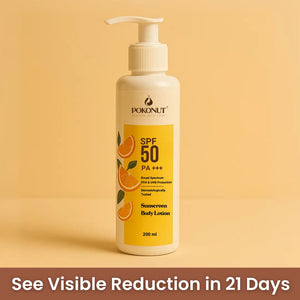
SPF 50+ for melasma, with a tint. The MSD Manual recommends SPF 50 or higher, and explains why the tint matters: most sunscreens don't block visible light, so it suggests a tinted sunscreen with zinc oxide or titanium dioxide. (MSD Manual)
In practice: apply a generous layer over the whole nose, including the sides and the crease beside the nostrils (the most-missed spots), and reapply every two to three hours outdoors. A cap or wide-brimmed hat helps a lot more than people expect.
If you're deciding between formulas, see how to choose the right sunscreen, and whether a mineral or herbal sunscreen suits you better. (Hindi readers: we've covered sunscreen lagane ke fayde too.)
Step 2: A fading cream you can use at home
Look for ingredients that slow down pigment production rather than just exfoliating:
-
Niacinamide reduces how much pigment reaches the surface and is gentle enough for most skin.
-
Kojic acid is increasingly used for melasma because it blocks melanin formation, according to the MSD Manual.
-
Azelaic acid (15–20%) is listed by the MSD Manual as an alternative or add-on for melasma, and is one of the few options considered safe in pregnancy.
-
Licorice (mulethi) is a traditional brightener; here's how to use mulethi for pigmentation safely.
Pokonut's dark spot cream combines 1% kojic acid with 10% niacinamide, and is a gentle starting point if you're looking for a black patches removal cream for the face. Patch test first, start once a day, and keep it away from the inside of the nostrils.
Step 3: Prescription treatment from a dermatologist
For melasma that doesn't respond, dermatologists usually prescribe a combination. The MSD Manual describes "triple therapy" as the first-line treatment: hydroquinone 2–4%, tretinoin and a mild corticosteroid together. It advises testing hydroquinone behind the ear or on the forearm for a week before using it on the face. (MSD Manual)
For more severe cases, JAMA Dermatology notes that a doctor may prescribe oral tranexamic acid. (JAMA Dermatology, 2026) The MSD Manual adds that relapse can happen once it's stopped. These are prescription medicines: don't buy them on your own.
Step 4: Clinic procedures for stubborn patches
JAMA Dermatology lists chemical peels, microneedling and laser treatments as options, and stresses that a board-certified dermatologist should perform them to reduce side effects. The MSD Manual treats peels (glycolic acid or TCA) as second-line for severe melasma that hasn't responded to creams, and says lasers other than Q-switched Nd:YAG aren't standard therapy.
One useful detail from the MSD Manual: only pigment in the top layer of skin responds well to treatment. A dermatologist can check the depth with a Wood's lamp, which tells you upfront how much improvement to expect.
How long does it take?
|
Cause |
Typical time to see improvement |
|---|---|
|
Tanning, friction marks |
A few weeks once the trigger stops |
|
Acne marks |
2–3 months with sunscreen and a fading cream |
|
Melasma |
Several months; it can be controlled but tends to come back |
JAMA Dermatology is honest about melasma: treatments improve it but don't cure it, and for most people it's a long-term condition. That's why maintenance and daily sunscreen matter more than finding a "miracle" product.
A simple daily routine for nose patches
Morning
-
Gentle, fragrance-free cleanser.
-
Fading serum or cream (niacinamide, kojic acid or azelaic acid).
-
Moisturiser if your skin is dry.
-
Tinted broad-spectrum sunscreen, SPF 30 at minimum and SPF 50 if you have melasma. Cover the sides of the nose and the creases.
Night
-
Cleanser, removing sunscreen and makeup gently, without rubbing.
-
Fading cream again, or your dermatologist's prescription.
-
Moisturiser.
7 mistakes that make nose patches darker
-
Rubbing lemon, lime or tomato on the nose. Citrus plus sunlight can cause new dark streaks.
-
Squeezing blackheads and pimples. Every squeeze is a small injury, and on brown skin injuries leave marks.
-
Scrubbing hard or using nose strips daily. Friction is a trigger, not a fix.
-
Buying "fairness" or steroid creams without a prescription. Some contain hidden steroids or high-strength bleaching agents that can damage the skin permanently.
-
Expecting coconut oil or aloe vera to fade melasma. They're soothing moisturisers, not pigment treatments. Here's what the evidence says about coconut oil for hyperpigmentation and whether aloe vera gel removes pigmentation.
-
Skipping sunscreen on cloudy days or indoors near windows. Visible light and UV still reach your skin.
-
Stopping as soon as it looks better. Melasma in particular comes back without maintenance.
If you're pregnant or breastfeeding
Melasma often starts or worsens in pregnancy. The MSD Manual lists azelaic acid 15–20% cream and glycolic acid peels as safe in pregnancy, and hydroquinone, tranexamic acid, TCA peels and tretinoin as not safe. (MSD Manual) Stick to sunscreen and gentle care, and check any active ingredient with your doctor first. Many women see pregnancy melasma fade slowly after delivery.
When to see a dermatologist
-
The patch is growing, changing shape, raised, bleeding or very dark in one spot.
-
It appeared suddenly or you can't tell what caused it.
-
You've used sunscreen and a fading cream consistently for three months with no change.
-
The skin is also red, scaly, itchy or painful.
-
You're considering prescription creams, peels or lasers.
The Bottom Line
Dark patches around the nose usually come from melasma, sun, or marks left by acne and friction, and all of them can be faded. Daily tinted sunscreen is the step that makes everything else work. Add a gentle fading cream with ingredients like niacinamide, kojic acid or azelaic acid, stop squeezing and scrubbing, and give it at least two to three months. If it's melasma, think of it as something to manage over the long term, with a dermatologist's help for stubborn patches.