
Saffron
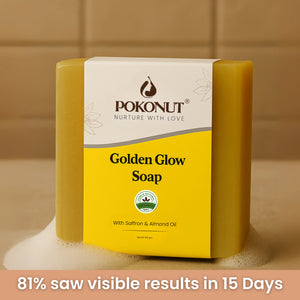
Saffron is a natural botanical ingredient obtained from the dried stigmas of the flower Crocus sativus. It contains bioactive compounds such as crocin, crocetin, and safranal, which are responsible for its antioxidant, anti-inflammatory, and protective properties. Scientific studies show that these compounds help protect skin cells from oxidative stress and environmental damage, which can contribute to dullness, uneven skin tone, and premature aging. Because saffron is highly potent, it is used in very small, controlled amounts in skincare formulations.
Source: National Center for Biotechnology Information (NCBI)
In skincare, saffron is valued for its ability to support skin radiance, even tone, and overall skin health. It helps calm irritation, reduce dullness, and improve skin clarity over time. Saffron does not bleach the skin but works gradually by supporting healthy skin function and reducing oxidative damage. When used correctly, it is suitable for regular use in skin-focused formulations like face creams, skin creams or stretch mark creams etc.
FAQs
What is saffron?
Saffron is a natural spice derived from the flower Crocus sativus. It contains antioxidant compounds that support skin and overall health. In skincare, it is used in small amounts for its conditioning benefits. Saffron is one of the most potent botanical ingredients. It is valued for its purity and effectiveness.
How to use saffron for skin whitening?
Saffron does not bleach the skin. It is used to improve skin clarity and brightness by reducing dullness. Traditionally, it is infused in milk or water and applied gently. Results appear gradually with regular use. It supports even skin tone rather than whitening.
How to use saffron on face?
Saffron is usually soaked in milk, water, or oil before use. The infused liquid can be applied to clean skin. It should be used in small amounts to avoid irritation. Patch testing is recommended. Regular use supports skin radiance.
Is saffron good for skin?
Yes, saffron is good for skin because it contains antioxidants that protect against damage. It helps calm the skin and improve texture. Saffron supports natural glow and skin comfort. It does not clog pores. It is suitable for most skin types.
What is saffron used for?
Saffron is used in skincare, food, and traditional medicine. In skincare, it supports brightness and skin health. It is also used for its antioxidant and soothing properties. Only small amounts are required. It is considered a premium ingredient.
What are the benefits of saffron?
Saffron helps improve skin radiance and reduce dullness. It provides antioxidant protection against environmental stress. It supports even skin tone and skin comfort. It may help calm irritation. Benefits appear with consistent use.
How to take saffron during pregnancy?
Saffron during pregnancy should be taken only under medical guidance. It is usually consumed in very small amounts mixed with milk. Excess intake is not recommended. Always consult a doctor before use. Moderation is important.
How many strands of saffron is safe during pregnancy?
Most traditional guidance suggests 1 to 2 strands occasionally. Higher amounts are not advised during pregnancy. Scientific data is limited. Medical advice is essential before use. Safety depends on individual health conditions.
Can saffron lighten skin?
Saffron does not lighten skin permanently. It helps improve brightness and reduce dullness. Its effect comes from antioxidant activity, not pigment alteration. Skin appears clearer and healthier over time. It does not change natural skin colour.


