










Pregnancy Safe Skincare: Ayurvedic Ingredients That Are Safe vs Ones to Avoid

Medically Reviewed By:
Dr. Mousumi Dash, BAMS
Written by Our Editorial Team
Dr. Mousumi Dash, BAMS
Written by Our Editorial Team
Medically Reviewed By:About the Reviewer
Pregnancy changes the way your skin behaves. Shifting hormones can bring on dryness, itching, acne, heightened sensitivity, and pigmentation such as melasma. Many people respond by moving toward Ayurvedic or "natural" skincare, assuming it's automatically gentler. It often is — but not always. Some herbal ingredients are mild and useful in pregnancy; others lack pregnancy-specific safety data or can irritate more reactive skin. The safest approach is simple, well-formulated, clearly-labelled products, with a doctor's input before you reach for strong actives or concentrated herbal extracts. (The American College of Obstetricians and Gynecologists advises avoiding certain skin medicines, including retinoids, during pregnancy — which is exactly why ingredient awareness matters.)
Why Skincare Needs Extra Attention During Pregnancy
The skin barrier can become more reactive in pregnancy, so a product that felt fine before may suddenly cause redness, itching or burning. Hormonal changes can also trigger melasma — brown patches that typically appear on the face — and the rapid stretching of skin commonly brings dryness and tightness.
None of this means your products are unsafe. It means the skin benefits from a gentler, more deliberate routine and a closer look at anything strong or unfamiliar. The American Academy of Dermatology's guidance on pregnancy skin care makes the same core point: keep the routine simple — gentle cleanser, moisturiser, mineral sunscreen — and favour fragrance-free formulas to reduce the risk of irritation.
Ayurvedic Ingredients Generally Considered Safe
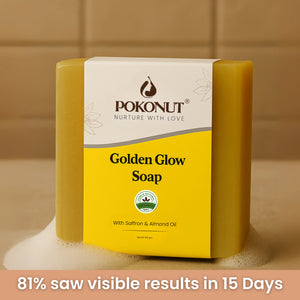
Kumkumadi (saffron / kesar). Kumkumadi-based skincare is built around saffron, traditionally used to support glow and even tone. In the small amounts found in topical formulas, it's generally gentle for most skin types. Treat it as support for brightness and appearance — not as a strong pigmentation treatment during pregnancy.
Aloe vera. A go-to for soothing dryness, itching and mild irritation, aloe adds hydration and a cooling effect that helps when skin feels reactive. It suits most skin types, though a patch test still matters because pregnancy can shift your tolerance.
Coconut oil. Useful for dryness and barrier support, coconut oil forms a protective layer that limits moisture loss. It works well on dry body areas, but acne-prone facial skin should use it cautiously, since heavier oils can clog pores in some people.
Almond oil. Rich in fatty acids and vitamin E, almond oil softens dry, stretched skin and is a common choice for body massage in pregnancy. Skip it (or check with your doctor) if you have a nut allergy or very sensitive skin.
Rose water. Mild and refreshing, rose water calms the skin and eases temporary discomfort without being active. Choose fragrance-free or low-fragrance versions, as added perfume can irritate sensitive pregnancy skin.
Licorice (mulethi). Used for uneven tone and pigmentation support, licorice contains compounds that may calm inflammation and support a more even-looking complexion. It's typically used in low concentrations, which makes it gentler than stronger brightening actives.
Ayurvedic Ingredients That Need Caution
Concentrated essential oils. Essential oils are highly concentrated plant extracts and can irritate skin when undiluted. With pregnancy raising skin sensitivity, strong essential oils are best used carefully — or avoided — unless a professional guides you. Undiluted essential oils should never be applied directly to skin.
Camphor (kapoor). Camphor appears in many traditional balms and oils, but it warrants caution in pregnancy, especially in concentrated or repeated use — it can irritate skin and should never be swallowed or used in large amounts. If a product contains camphor, check with your doctor before using it regularly.
Strong herbal extracts without safety data. A herb can be traditional and still lack pregnancy-specific research. Pregnancy is a sensitive phase, and not every herbal active has been studied in pregnant women. If an ingredient sounds potent or the label doesn't state a clear concentration, don't self-experiment.
Unknown DIY mixtures. Homemade ubtans, oils and herbal packs may look harmless, but their concentration and purity are hard to control, and they can hide strong essential oils or irritating powders. Stick to simple, tested formulations rather than improvised blends.
Natural Ingredients Worth Double-Checking
Retinoid-like botanical actives. Some plant-based ingredients are marketed as natural alternatives to strong actives — but that label doesn't make them pregnancy-safe. Topical retinoids such as tretinoin and adapalene are generally recommended to be avoided in pregnancy, per MotherToBaby's fact sheet on topical tretinoin, and even "retinol-like" botanicals deserve a careful check first. The same caution extends to brightening actives: if you're wondering whether something like kojic acid is appropriate, confirm with your doctor rather than assuming a natural source makes it safe.
Highly fragranced herbal products. Many Ayurvedic products carry fragrance, perfume or strong aromatic oils. They may smell natural, but they can aggravate skin that's already itchy, dry or reactive.
What About Exfoliating Acids (AHA / BHA) in Pregnancy?
This is one of the most common questions, and the original article skipped it. The general dermatological view: low-concentration topical salicylic acid (BHA) — the kind found in everyday cleansers and toners — is usually considered acceptable in pregnancy, while high-strength leave-on BHA, peels and oral salicylates are best avoided. Gentle lactic acid and glycolic acid (AHAs) at cosmetic strengths are generally viewed as low-risk because little is absorbed. Because formulas and concentrations vary widely, and absorption rises on broken or irritated skin, run any acid product past your doctor — especially if you're using it over large areas.
Pregnancy Stretch Marks: A Quick Note
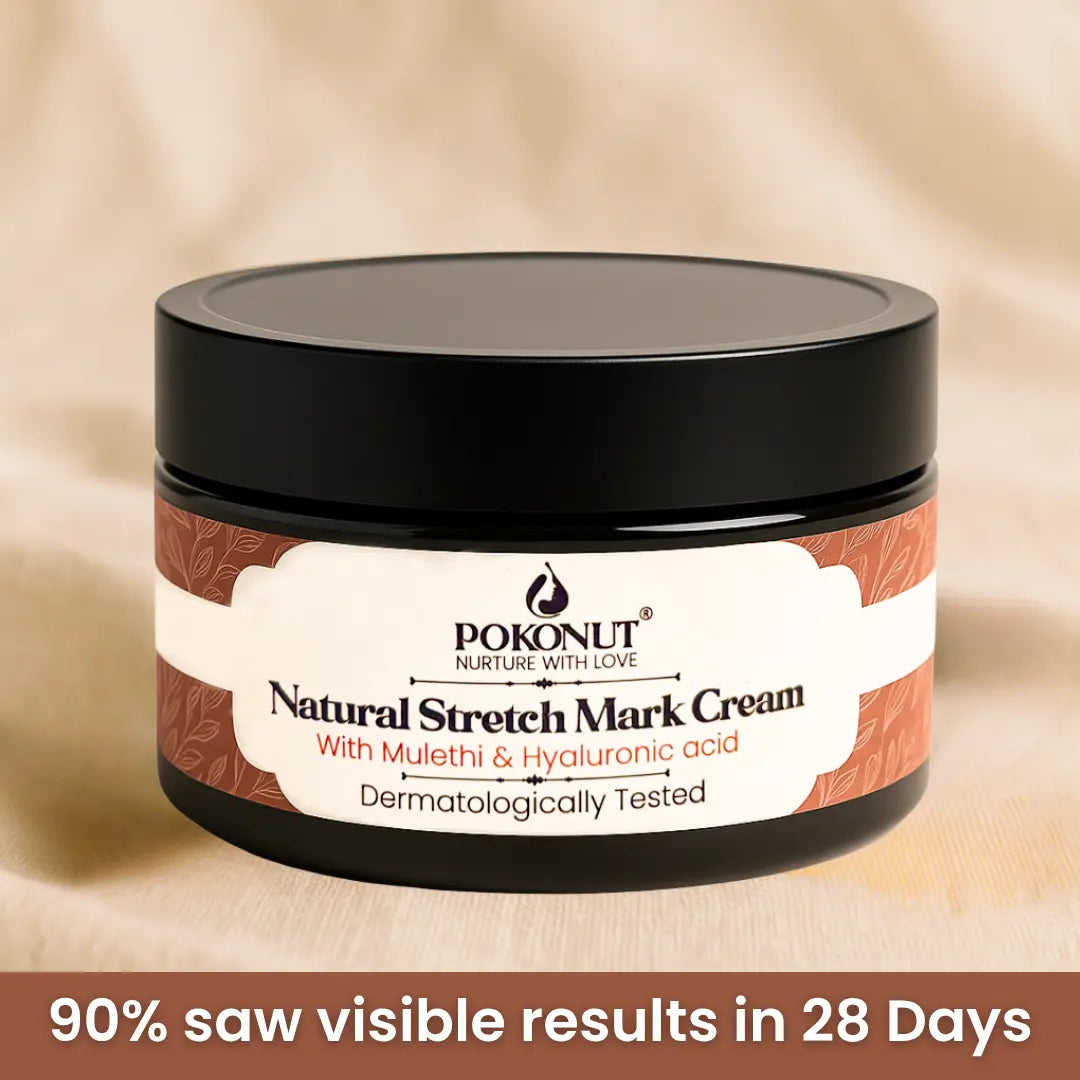
Stretch marks are among the most common pregnancy skin concerns, driven by rapid skin stretching and hormonal change. No cream reliably prevents them, but consistent hydration with gentle, pregnancy-appropriate ingredients (coconut oil, almond oil, shea butter, vitamin E) helps keep stretched skin supple and comfortable. The catch is the same theme that runs through this guide: not every "natural" belly oil is automatically pregnancy-safe, so it's worth knowing which ingredients to look for in a pregnancy stretch mark cream before you commit to one.
Melasma in Pregnancy
Melasma — the "mask of pregnancy" — shows up as brown or grey-brown patches, usually on the cheeks, forehead and upper lip, and is driven largely by hormones and sun exposure. The gentlest, most effective step is daily mineral sunscreen, since UV worsens it. Mild ingredients like licorice and niacinamide can support a more even tone, but the stronger brightening actives often used for melasma (hydroquinone, retinoids) are typically paused during pregnancy. Much pregnancy melasma fades on its own after delivery, so patience and sun protection matter more than aggressive treatment. For a broader look at managing melasma and other pregnancy skin changes naturally, see our dedicated guide.
How to Choose Pregnancy-Safe Ayurvedic Skincare
A few habits do most of the work:
-
Read the full ingredient list. Don't rely on "herbal," "natural" or "Ayurvedic" on the front of the pack. Check the complete list and steer clear of products crowded with strong actives or vague herbal blends.
-
Prefer simple formulations. Fewer ingredients usually means a lower chance of irritation. A gentle cleanser, a good moisturiser and a mineral sunscreen cover most needs.
-
Patch test before use. Even safe ingredients can react during pregnancy. Apply a small amount behind the ear or on the inner arm, wait 24 hours, then use more widely.
-
Loop in your doctor for specific concerns. Severe acne, melasma, persistent itching, rashes or a high-risk pregnancy all warrant a conversation with your dermatologist or gynaecologist before trying anything new — particularly strong actives, essential oils or medicated products.
Common Pregnancy Skin Concerns and Suitable Ayurvedic Ingredients
|
Skin Concern |
Ayurvedic Ingredients Commonly Used |
|
Dry skin |
Coconut oil, almond oil, aloe vera |
|
Itching |
Aloe vera, coconut oil |
|
Dullness |
Kumkumadi, saffron, rose water |
|
Uneven tone / melasma |
Licorice, kumkumadi, niacinamide |
|
Stretch marks |
Coconut oil, almond oil, shea butter, vitamin E |
|
Sensitive skin |
Aloe vera, rose water |
Final Takeaway
Ayurvedic skincare can absolutely be part of a pregnancy routine — what matters is ingredient selection, not the word "natural." Gentle options such as aloe vera, rose water, almond oil, coconut oil, licorice and saffron-based formulas suit most common pregnancy concerns. Concentrated essential oils, camphor-heavy products, unclear herbal blends and retinoid-like actives need caution. The safest pregnancy routine is simple, transparent and — when anything is uncertain — approved by your doctor.
About Doctor :