











Is Hyaluronic Acid Good for Oily Skin? Common Mistakes and How to Avoid Them

Medically Reviewed By:
Dr. Neeraj Bansal, BAMS
Written by Our Editorial Team
If you have oily skin, it is very normal to feel confused about hydration. Most people think oily skin does not need moisturising, and adding hydrating ingredients will make it more greasy. But in skincare science, oil and hydration are two different things. Skin can be oily and still be dehydrated. This is why oily skin also needs lightweight hydration. The American Academy of Dermatology recommends using gentle, non-comedogenic skincare products for oily skin instead of stripping the skin with harsh products. This confusion is one of the reasons people often wonder whether hyaluronic acid is suitable for oily skin, and the good news is that it can be extremely beneficial when used the right way.
Hyaluronic acid is not an oil, not a cream, and not a pore-clogging ingredient. It is a water-binding molecule that helps skin hold moisture and support a healthier barrier. For oily skin, proper hydration can actually reduce overproduction of oil in many cases.
What Is Hyaluronic Acid?
Hyaluronic acid (HA) is a naturally occurring molecule found in the skin, where it plays an important role in maintaining hydration and skin structure. It belongs to a group of substances called humectants, which attract water and help the skin retain moisture. According to Cleveland Clinic’s explanation of hyaluronic acid, hyaluronic acid helps retain moisture in the skin and supports hydration, which makes it useful for people dealing with dryness, tightness or dehydration. In skincare, hyaluronic acid is valued because it can bind significant amounts of water, helping the outer layer of the skin stay hydrated, plump, and comfortable.
Unlike oils or heavy creams, hyaluronic acid delivers water-based hydration without increasing oiliness or clogging pores. This makes it especially suitable for oily and acne-prone skin types that still need moisture. By improving hydration levels in the upper layers of the skin, hyaluronic acid also supports the skin barrier, the protective layer that prevents water loss and shields the skin from irritation. A well-hydrated barrier helps regulate oil production, reduces sensitivity, and keeps the skin more balanced overall.

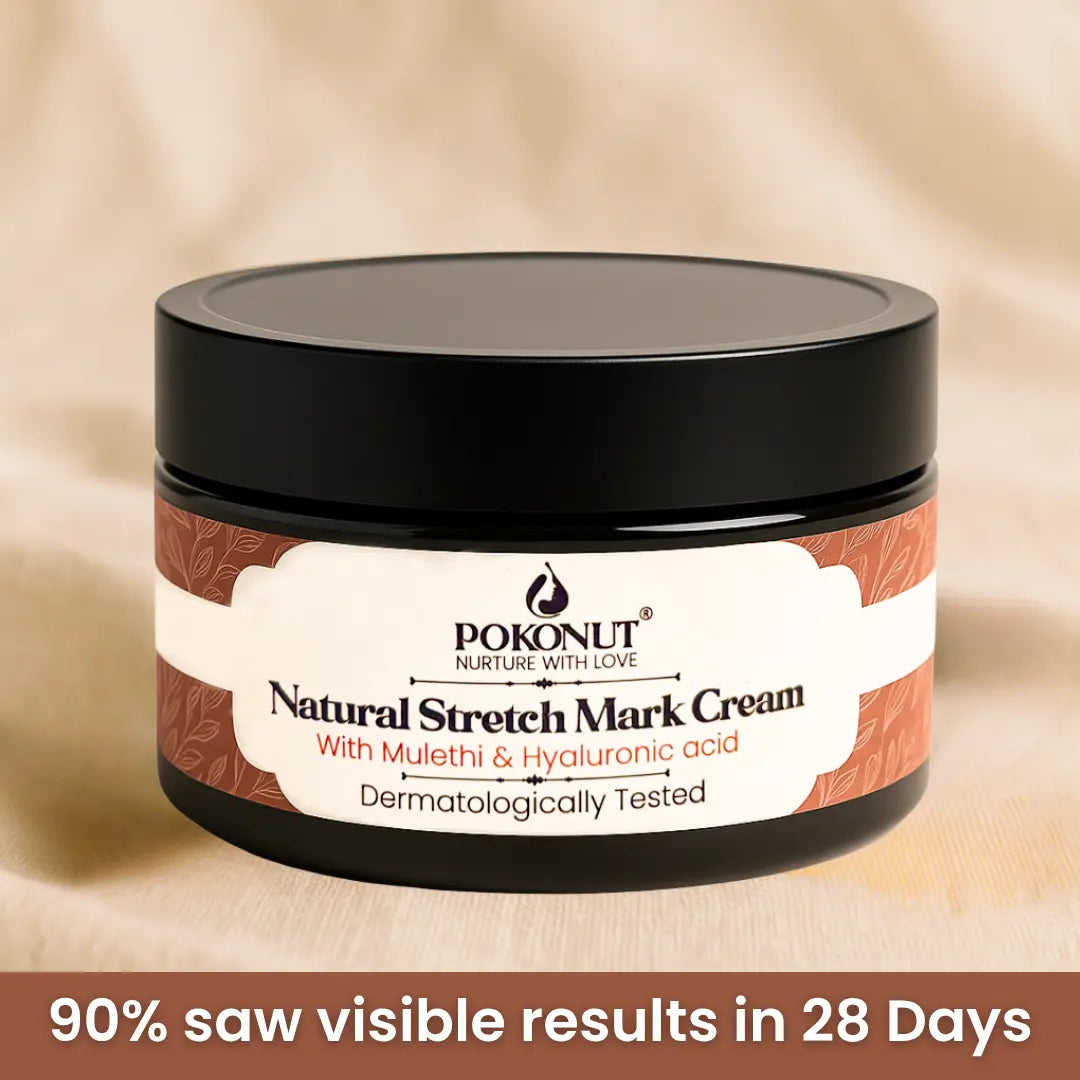
Pokonut Stretch Mark Cream
Transform your skin with POKONUT's Natural Stretch Mark Cream, a versatile solution for all types of Stretch Ma...
Shop Now →Is Hyaluronic Acid Good for Oily Skin?
Yes. Hyaluronic acid is one of the best ingredients oily skin can use, because oily skin commonly has hidden dehydration. Many people with oily skin wash too much, over-exfoliate, or skip moisturiser completely. This can strip the skin’s natural barrier, causing dehydration. When the skin becomes dehydrated, it may produce even more oil to protect itself, leading to a cycle of oiliness, clogged pores and acne.
So, hyaluronic acid helps oily skin mainly in three ways:
-
It hydrates without heaviness
-
It supports the skin barrier (reducing irritation and breakouts)
-
It helps skin feel balanced, not tight or overly greasy
In simple terms, oily skin often looks shiny not because it is “healthy moisturised” but because it is compensating for dehydration.
You’ll find hyaluronic acid in many skincare products, even body-care formulas like stretch mark cream, because improving hydration helps the skin stay supple, elastic and less prone to dryness-related damage.
What Are the Benefits of Hyaluronic Acid for Oily Skin?
Provides Hydration Without Adding Oil
Hyaluronic acid hydrates the skin by attracting and holding water, not oil. A clinical review on hyaluronic acid also highlights its role in improving skin hydration and elasticity, which is why it is commonly used in topical skincare products. This is especially beneficial for oily skin, which often lacks water but overproduces sebum. By improving hydration levels, the skin feels comfortable and balanced without looking greasy or heavy.
Helps Balance Excess Oil Production
When oily skin is dehydrated, it tends to produce more oil to protect itself. Hyaluronic acid helps correct this imbalance by supplying moisture, which can indirectly reduce excessive sebum production over time. Well-hydrated skin is less likely to go into oil-overdrive.
Supports a Stronger Skin Barrier
A healthy skin barrier prevents moisture loss and protects against irritation, bacteria and environmental stress. Research on skin hydration and barrier repair shows that proper hydration supports the skin’s protective barrier, which is especially important for oily and acne-prone skin that may already be irritated by over-cleansing or strong actives. Hyaluronic acid strengthens this barrier by keeping the outer layers hydrated, which is important for oily and acne-prone skin that often experiences barrier damage due to over-cleansing or harsh treatments.
Reduces Tightness and Post-Cleansing Discomfort
Many people with oily skin experience tightness after washing their face, especially if they use foaming or oil-control cleansers. Hyaluronic acid helps relieve this tight feeling by replenishing lost hydration, making the skin feel softer and calmer without clogging pores.
Improves Skin Texture and Smoothness
By plumping the skin with hydration, hyaluronic acid smoothens rough texture and improves overall skin feel. This can make oily skin look more even and refined, especially when dehydration is contributing to uneven texture or dullness.
Enhances Tolerance to Active Ingredients
Oily skin routines often include actives like salicylic acid or niacinamide. Hyaluronic acid helps reduce dryness and irritation caused by these ingredients, allowing the skin to tolerate treatments better while maintaining balance and comfort.
How Hyaluronic Acid Works on Oily Skin
-
Hyaluronic acid works like a sponge. It sits on the surface layers of skin and pulls water into the skin, making it feel hydrated and plump. This improves the skin texture and reduces that tight, stretched feeling many oily-skin users experience after cleansing.
-
Once hydration improves, the skin barrier becomes stronger. A stronger barrier reduces Irritation, Redness, Inflammation, sensitivity to active ingredients.This matters because oily skin is often acne-prone, and acne is driven by inflammation and barrier disruption, not just oil.
-
Another key point is sebum control. Hyaluronic acid does not directly reduce oil like niacinamide might. But indirectly, better hydration often leads to less aggressive oil overproduction. Think of it like this: when your skin finally feels hydrated, it stops panicking and producing excess oil.
| Also Read | Is Niacinamide Good for Dry Skin? |
Common Mistakes People Make While Using Hyaluronic Acid
Even though hyaluronic acid is gentle and beginner-friendly, people often use it incorrectly. This leads to one common complaint: “It made my skin feel sticky, oily, or dull.”
The ingredient is not the problem, the application is.
1) Applying Hyaluronic Acid on Completely Dry Skin
This is the biggest mistake. Hyaluronic acid needs water to work properly. If the skin is dry and the environment has low humidity, HA may pull water from deeper layers of skin, making the surface feel tighter or drier.
2) Not Sealing It with Moisturiser
Hyaluronic acid attracts hydration, but it does not “lock” it. If you don’t apply a moisturiser after HA, the water can evaporate easily. This can leave the skin feeling dehydrated again.
3) Using Too Much Product
More product does not mean more hydration. Over-applying HA can create a sticky layer, trap sweat and oil, and make oily skin feel heavier.
4) Using HA with Heavy, Pore-Clogging Products
Hyaluronic acid is lightweight, but if it is paired with greasy creams or comedogenic moisturisers, oily skin may break out. People blame HA, but the real issue is what they layered on top.
5) Expecting Hyaluronic Acid to Cure Acne or Control Oil
HA is a hydration ingredient, not an acne medication. It supports skin health but it will not replace acne treatment ingredients like salicylic acid, benzoyl peroxide, or azelaic acid.
How to Avoid Breakouts When Using Hyaluronic Acid
Hyaluronic acid itself is not comedogenic, meaning it does not clog pores. For oily skin, it is better to choose lightweight and non-comedogenic formulas. The AAD’s oily skin care guidance also recommends avoiding products that can clog pores and using gentle skincare that does not irritate the skin. If breakouts happen, it is usually because of product layering or formula choice.
Here are simple ways to prevent that:
-
choose HA serums labelled non-comedogenic
-
avoid formulas with heavy oils if you are acne-prone
-
keep routine minimal (too many layers can trap sweat/oil)
-
pair hydration with barrier support (ceramides, panthenol, niacinamide in low %)
Also remember: oily skin still needs hydration. When you deprive oily skin of moisturiser, it often becomes more inflamed and acne-prone.
When Hyaluronic Acid May Not Work Well for Oily Skin
There are some situations where hyaluronic acid does not feel effective. This does not mean it is bad, it means the routine needs adjustment.
1) Extremely Dry Climate
If humidity is very low, HA may not perform optimally unless layered correctly. In these climates, always apply on damp skin and seal with moisturiser.
2) Very Humid Climate
In high humidity, HA may feel sticky if you over-apply. Use smaller quantity and lightweight products.
3) Damaged Barrier or Over-Exfoliation
If the skin barrier is damaged, even gentle ingredients can feel irritating. In such cases, reduce actives, focus on barrier repair, and reintroduce HA slowly.
4) Wrong Product Type
Some HA products contain unnecessary fragrance or heavy textures. The formula matters as much as the ingredient.
FAQs
Can hyaluronic acid make oily skin worse?
No, hyaluronic acid does not make oily skin worse on its own. It is a water-binding ingredient, not an oil. Oily skin may feel worse only if HA is applied incorrectly, such as on dry skin or without sealing it with a light moisturiser.
Should people with acne-prone oily skin use hyaluronic acid daily?
Yes, acne-prone oily skin can use hyaluronic acid daily. Daily use helps keep the skin hydrated and supports the skin barrier, which can reduce irritation and improve tolerance to acne treatments.
What is the best time to apply hyaluronic acid if you have oily skin?
The best time is right after cleansing, when the skin is slightly damp. It can be used both in the morning and at night, depending on how dehydrated your skin feels.
Do I still need moisturiser if I use hyaluronic acid on oily skin?
Yes, moisturiser is still needed. Hyaluronic acid attracts water, but it does not lock it in. A lightweight, oil-free moisturiser helps seal hydration and prevents water loss.
Can hyaluronic acid reduce oil production in the skin?
Hyaluronic acid does not directly reduce oil, but it can help indirectly. When skin is properly hydrated, it may stop overproducing oil to compensate for dehydration.
How long does it take to see results from hyaluronic acid on oily skin?
Hydration and comfort can be noticed within a few days. Improvements in skin balance, texture and reduced tightness usually appear within 1–2 weeks of consistent use.
Which is better for oily skin: hyaluronic acid serum or gel cream?
A lightweight serum works well for oily skin, especially in hot or humid weather. A gel cream with hyaluronic acid is better if your skin feels dehydrated and needs extra barrier support.
Can hyaluronic acid clog pores or cause breakouts?
Hyaluronic acid is non-comedogenic and does not clog pores. Breakouts usually happen due to heavy formulations, poor layering, or pore-clogging ingredients paired with it — not HA itself.
Is it safe to combine hyaluronic acid with salicylic acid for oily skin?
Yes, it is safe and often recommended. Salicylic acid helps unclog pores, while hyaluronic acid prevents dryness and irritation, making the routine more balanced for oily skin.
What concentration of hyaluronic acid is best suited for oily skin?
Low to moderate concentrations (around 0.5% to 2%) are ideal for oily skin. Higher concentrations do not necessarily hydrate better and may feel sticky or uncomfortable.
About Doctor :