









How to Treat Hormonal Acne Naturally Without Irritating Your Skin
- 1 What Is Hormonal Acne?
- 2 Natural and Safe Ways to Treat Hormonal Acne
- 2.1 Cleansing and Oil Control Without Stripping the Skin
- 2.2 Reducing Inflammation to Calm Active Breakouts
- 2.3 Managing Acne Bacteria Without Disrupting Skin Balance
- 2.4 Supporting Detoxification and Oil Regulation
- 2.5 Repairing the Skin Barrier to Prevent Future Breakouts
- 3 A Simple Daily Routine for Hormonal Acne-Prone Skin
- 4 Diet and Lifestyle Factors That Influence Hormonal Acne
- 5 What to Avoid When Treating Hormonal Acne Naturally
- 6 Managing Acne Marks and Post-Breakout Pigmentation
- 7 When Natural Treatment May Not Be Enough

Medically Reviewed By:
Dr. Mousumi Dash, BAMS
Written by Our Editorial Team
Dr. Mousumi Dash, BAMS
Written by Our Editorial Team
Medically Reviewed By:About the Reviewer
Hormonal acne is not caused by dirty skin, poor hygiene, or a lack of skincare. It is a biologically driven condition where hormonal signals overstimulate oil production and inflammation inside the skin. This is why hormonal acne behaves differently from regular breakouts and why aggressive treatments often make it worse instead of better.
If you are trying to understand how to treat hormonal acne naturally, the most important thing to know is that irritation increases hormonal acne. Over-cleansing, harsh actives, and repeated drying treatments disrupt the skin barrier, trigger inflammation, and push oil glands into overdrive. Natural treatment focuses on regulating oil, calming inflammation, and restoring balance rather than stripping the skin.
This blog explains hormonal acne in a simple yet scientific way and walks you through skin-safe methods that help manage breakouts without damaging your skin.
What Is Hormonal Acne?
Hormonal acne is driven by internal hormonal fluctuations rather than surface-level skin issues. It is most commonly linked to changes in androgen hormones, which stimulate oil glands and increase inflammation within the skin.
Unlike regular acne, hormonal acne typically appears along the jawline, chin, lower cheeks, and sometimes the neck. These breakouts are often deeper, more painful, and take longer to heal.
Hormonal acne is also cyclical. It may flare up around menstruation, periods of stress, hormonal imbalance, or lifestyle changes. Because the trigger is internal, topical treatment alone must be gentle and supportive rather than aggressive.
Also Read - Does Dandruff Cause Acne?

Anti acne soap -100g
Neem's antibacterial powers, tulsi's calming effects, and herbal extracts are combined in this anti-acne soap to figh...
Shop Now →Natural and Safe Ways to Treat Hormonal Acne
Learning how to treat hormonal acne naturally means understanding that your skin needs regulation, not force. The goal is to reduce oil imbalance, calm inflammation, and protect the skin barrier so breakouts become less frequent and less severe over time.
Cleansing and Oil Control Without Stripping the Skin
Excess oil in hormonal acne is a response to hormonal signals, not a sign that your skin needs harsh cleansing. When the skin is stripped of its natural oils, oil glands compensate by producing even more sebum, which leads to clogged pores and inflamed breakouts.
Gentle cleansing removes excess oil, sweat, and impurities without disturbing the skin barrier. This helps maintain oil balance and reduces inflammation instead of triggering rebound oil production.
This is where Pokonut Anti Acne Soap fits naturally into the routine. It can be used as a gentle cleansing option that helps manage excess oil and acne-causing bacteria while keeping the skin barrier intact, making it suitable for hormonal acne-prone skin.
Reducing Inflammation to Calm Active Breakouts
Inflammation is what turns small clogged pores into deep, painful hormonal acne. When the skin is irritated, immune signals increase, which worsens swelling, redness, and breakouts.
Calming inflammation helps reduce the severity and duration of hormonal acne. Ingredients that support skin comfort, reduce redness, and strengthen barrier function play a crucial role here. When inflammation is controlled, breakouts heal faster and are less likely to leave marks behind.
This step is often overlooked, but it is one of the most important aspects of natural hormonal acne management.
Managing Acne Bacteria Without Disrupting Skin Balance
Acne-causing bacteria naturally exist on everyone’s skin. The problem begins when excess oil and inflammation create an environment where these bacteria multiply excessively.
Natural treatment does not aim to eliminate bacteria completely. Instead, it focuses on restoring balance. Overusing antibacterial products can disrupt the skin microbiome, leading to irritation and more frequent breakouts.
Gentle cleansing, oil regulation, and barrier repair help control bacterial growth naturally without disturbing the skin’s ecosystem.
Supporting Detoxification and Oil Regulation
Hormonal acne worsens when excess oil, dead skin cells, and environmental impurities accumulate on the skin. Periodic detoxification helps clear pore build-up and regulate oil flow without aggressive exfoliation.
Gentle masks that absorb excess oil and impurities can support clearer skin while maintaining hydration and barrier health.
Repairing the Skin Barrier to Prevent Future Breakouts
A damaged skin barrier increases water loss, inflammation, and sensitivity, all of which worsen hormonal acne. Many acne treatments fail because they focus only on drying breakouts instead of strengthening the skin.
Hydration and barrier repair help reduce irritation and prevent oil glands from becoming overactive. When the skin barrier is healthy, it is less reactive to hormonal fluctuations, leading to fewer breakouts over time.
Moisturising is not optional for acne-prone skin. It is essential for long-term control.
A Simple Daily Routine for Hormonal Acne-Prone Skin
In the morning, gentle cleansing helps remove excess oil without stripping the skin. Lightweight hydration supports barrier balance, followed by sun protection to prevent inflammation and pigmentation.
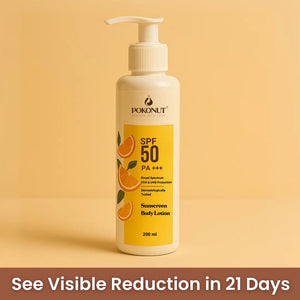
This is where Pokonut Natural Sunscreen SPF 50 plays an important role. Daily sun exposure can worsen inflammation and darken acne marks, making scars more difficult to fade. Consistent sunscreen use protects healing skin and prevents post-acne pigmentation.
At night, gentle cleansing removes sunscreen and impurities, followed by calming and repairing skincare that supports overnight recovery. Consistency matters more than the number of products used.
Also Read - Simple Skincare Tips to Get Rid of Acne Naturally
Diet and Lifestyle Factors That Influence Hormonal Acne
Hormonal acne is strongly influenced by internal factors like -
-
Blood sugar spikes can increase insulin levels, which may stimulate androgen activity and oil production. Stress raises cortisol, which increases inflammation and disrupts hormonal balance. Poor sleep affects hormone regulation and skin repair.
-
Dietary triggers vary between individuals, but reducing highly processed foods and managing stress often improves how the skin responds to treatment.
-
Lifestyle changes alone may not cure hormonal acne, but they significantly improve treatment outcomes.
What to Avoid When Treating Hormonal Acne Naturally
Harsh cleansers and scrubs damage the skin barrier and increase inflammation. Overusing acids or drying spot treatments triggers rebound oil production. DIY remedies can disrupt skin pH and cause irritation. Constantly switching products prevents the skin from stabilising.
Natural treatment works best when the skin is treated gently and consistently.
Managing Acne Marks and Post-Breakout Pigmentation
Once active acne heals, marks often remain due to inflammation and sun exposure rather than permanent scarring.
Fading these marks requires patience and barrier-friendly care. Irritating the skin during this phase can darken marks further.
This is where Pokonut Dark Spot Removal Cream fits logically. It can be used to support gradual fading of acne marks while keeping the skin calm and hydrated, especially after hormonal breakouts.
When Natural Treatment May Not Be Enough
If hormonal acne persists despite consistent care, it may indicate underlying hormonal imbalance. Conditions like PCOS, thyroid issues, or severe androgen sensitivity may require medical evaluation.
Combining dermatological guidance with gentle, barrier-friendly skincare often provides the best long-term results.
About Doctor :