









How to Reduce the Appearance of Open Pores on the Face: Causes and Effective Solutions

Medically Reviewed By:
Dr. Mousumi Dash, BAMS
Written by Our Editorial Team
Dr. Mousumi Dash, BAMS
Written by Our Editorial Team
Medically Reviewed By:About the Reviewer
You cannot permanently shrink or close open pores, because pore size is mostly decided by genetics. What you can do is make them look far smaller and less noticeable with the right routine. Pores do not actually open and close like doors, despite the common myth. They can, however, appear larger when they are clogged with oil and dead skin, or when the skin around them loses firmness with age. This guide explains what really causes open pores and the ingredients, routine, and treatments that genuinely reduce their appearance.
Key Takeaways
-
Pores cannot be permanently shrunk or closed, but they can be made much less visible.
-
Excess oil, genetics, ageing, and sun damage are the main causes.
-
The shape of your pores can hint at the cause: round pores mean oil, oval pores mean ageing.
-
Niacinamide, salicylic acid, and retinoids are the most effective ingredients.
-
Daily sunscreen is essential, as sun damage makes pores look larger over time.
What Are Open Pores?
Open pores are simply pores that look larger and more visible than you would like, usually on the nose, cheeks, and forehead. Pores are tiny openings in the skin that release natural oil, called sebum, and sweat. Each pore is connected to a hair follicle and an oil gland beneath the skin, which is why they are essential and cannot be removed. The term "open pores" is a little misleading, because all pores are technically open. A review in Dermatologic Surgery identifies three clinical reasons a pore starts to look bigger: high sebum output, reduced elasticity in the skin around the pore, and a thicker hair follicle underneath it.
What Causes Open Pores?
Open pores are caused by a mix of factors, with excess oil, genetics, and ageing being the most common. Understanding your cause helps you choose the right approach. The main causes are:
-
Excess oil (sebum). Oily skin produces more sebum, which stretches and fills pores, making them look bigger. This is why oily skin types often notice larger pores, especially in hot and humid climates.
-
Genetics. Pore size is largely inherited, so if your parents have visible pores, you are more likely to as well.
-
Ageing. As skin ages, it loses collagen and elastin, the proteins that keep it firm. This makes the skin around pores slacken, so they appear more open.
-
Sun damage. UV rays break down collagen over time, which weakens the skin’s support around pores and makes them look larger.
-
Clogged pores. Dead skin cells, dirt, and leftover makeup can block pores and stretch them, making them more noticeable.
-
Hormones. Hormonal changes can increase oil production, which adds to pore visibility.
Of these, oil does the heaviest lifting. When researchers measured pore size against every likely factor in a controlled study published in the British Journal of Dermatology, sebum output turned out to be the single strongest predictor, ahead of both age and sex.
A Simple Trick: Pore Shape Can Reveal the Cause
Here is something many people do not know: the shape of your pores often points to the reason behind them. Round, evenly spaced pores in the oily T-zone usually mean excess oil is the main cause, so oil control and exfoliation will help most. Oval or teardrop-shaped pores, more common on the cheeks, usually point to ageing and collagen loss, so collagen-supporting ingredients like retinoids and vitamin C, plus daily sun protection, matter more. Dermatologists take the same approach: a 2023 review in the Journal of Cosmetic Dermatology concluded that treatment should target sebum control in younger patients, and add skin rejuvenation for older ones. Knowing your pore shape helps you focus on the right solution instead of guessing.
Can You Close Open Pores Permanently?
No, you cannot close or permanently shrink open pores, but you can noticeably reduce how visible they are. Because pore size is mostly genetic and pores need to stay open to release oil and sweat, no product or treatment can seal them shut for good. What good skincare does is keep pores clear of oil and debris and support the skin’s firmness, both of which make pores look smaller. It is also worth knowing what is only temporary: ice and clay masks can tighten skin and shrink pores for a short while, but the effect fades within hours. Real, lasting improvement comes from consistent care, not quick fixes.
What the Research Says About Pore Size
One of the clearest studies on why pores look large was published in the British Journal of Dermatology. Researchers at Yonsei University College of Medicine recruited 60 volunteers, 30 men and 30 women, photographed their pores with a dermoscopic video camera, and measured each pore against sebum output, age, sex, hormonal factors, and acne severity.
Sebum output was the strongest predictor of pore size, followed by male sex and age. The link between oil and pore size was stronger in men than in women, which suggested that something else was also at work in female skin — and it was. Pore size increased significantly during the ovulation phase of the menstrual cycle, when hormone-driven oil production peaks. Acne severity, by contrast, showed no significant relationship with pore size at all.
Two practical lessons follow. First, if you control oil, you address the single biggest driver of how large your pores look, which is why niacinamide and salicylic acid sit at the top of most routines. Second, if your pores look worse at certain points in the month, that is a documented hormonal effect rather than a sign your routine has stopped working.
Best Ingredients for Open Pores
The most effective ingredients for open pores control oil, clear the pores, and support collagen. Look for these when choosing products.
|
Ingredient |
How it helps |
|---|---|
|
Niacinamide |
Regulates oil production and refines the look of pores |
|
Clears oil and dead cells from inside the pore |
|
|
Retinoids |
Boost skin renewal and collagen, refining texture |
|
Exfoliate the surface to keep pores clear |
|
|
Clay (kaolin, bentonite) |
Absorbs excess oil and unclogs pores |
|
Hyaluronic acid |
Plumps and hydrates skin so pores look smaller |
|
Supports collagen to keep skin firm around pores |
Niacinamide is the best-evidenced starting point. In a placebo-controlled trial of 100 women published in the Journal of Cosmetic and Laser Therapy, 2% topical niacinamide significantly lowered sebum excretion rate after just two and four weeks of use, alongside a reduction in pore size.
Daily Routine for Open Pores (AM & PM)
A simple, consistent routine does more for open pores than any single product. The goal is to control oil, keep pores clear, support collagen, and protect from the sun. Here is an easy routine to follow.
Morning
-
Wash with a gentle, non-comedogenic cleanser to remove overnight oil.
-
Apply a vitamin C face serum, which supports collagen and helps keep the skin around pores firm and even-toned.
-
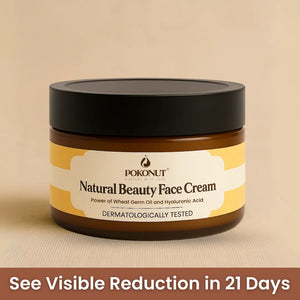
Follow with a lightweight, niacinamide-rich dark spot removal cream, as niacinamide helps regulate oil and refine the look of pores.
-
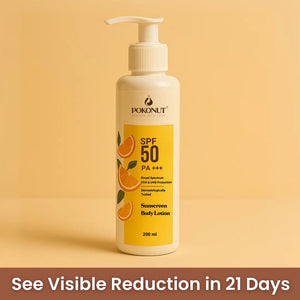
Finish with a broad-spectrum SPF 50 lotion, since sun protection prevents the collagen loss that makes pores look larger.
Night
-
Cleanse again to remove sunscreen, oil, and makeup.
-
A few nights a week, apply a salicylic acid (BHA) or retinoid product to clear pores and boost renewal.
-
Apply a light moisturiser to keep skin balanced.
Weekly
-
Use a clay mask once a week to absorb excess oil and deep-clean pores.
Introduce strong actives slowly, and never over-exfoliate, as this can strip the skin and trigger more oil.
Home Remedies: What Works and What Doesn’t
Some home remedies help temporarily, but none permanently shrink pores, and a few can do more harm than good. Here is an honest look:
-
Clay or multani mitti. Genuinely absorbs excess oil and tightens skin for a short time, making it a useful weekly step.
-
Ice. Rubbing ice briefly tightens the skin and reduces pore appearance for a few hours, but the effect is temporary.
-
Aloe vera and green tea. Soothe and lightly firm the skin, and are safe, gentle options.
-
Avoid harsh DIYs. Skip lemon juice, baking soda, and toothpaste, as these irritate the skin and can worsen oiliness and pore appearance.
The key point is that home remedies are supportive and short-lived, not a real fix. None of them changes sebum output or skin elasticity, which are the two things that actually determine how large a pore looks. Consistent skincare with proven ingredients works far better.
Professional Treatments for Open Pores
For stubborn open pores, dermatologists offer treatments that work deeper to refine pores and boost collagen. These are professional-only and usually need several sessions:
-
Chemical peels. Use acids to exfoliate deeply, control oil, and improve skin texture and pore appearance.
-
Microneedling. Tiny needles create micro-injuries that trigger collagen production, refining pores and firmness. It is sometimes combined with radiofrequency for stronger results.
-
Laser resurfacing. Uses controlled heat to remove damaged surface layers and stimulate collagen, tightening pores.
-
HydraFacial. Deep-cleanses and extracts impurities from pores while hydrating the skin.
Results build across sessions rather than arriving all at once. In one fractional CO₂ laser study cited in the Journal of Cosmetic Dermatology review, the count of dilated pores fell by 28.8% after the second session and by 54.5% after the final one. A dermatologist can recommend the right option based on your skin type and how prominent your pores are.
How to Prevent Visible Pores
The best way to prevent pores from looking larger is to keep them clear and protect the skin’s collagen. A few consistent habits make a real difference:
-
Cleanse twice daily to stop oil and dead cells from clogging pores.
-
Never sleep in makeup, as this blocks pores overnight and stretches them.
-
Wear sunscreen every day to protect the collagen that keeps skin firm. UV exposure is listed among the established determinants of pore size in the dermatology literature.
-
Do not over-exfoliate, since stripping the skin triggers more oil production.
-
Choose non-comedogenic products that will not clog your pores.
-
Stay hydrated and eat well, as healthy skin holds its firmness better.
When to See a Dermatologist
You should see a dermatologist if your pores stay very prominent despite consistent care, or if they come with persistent acne and oiliness. A professional can offer stronger treatments like chemical peels, microneedling, or laser that are far more effective than home care for stubborn pores. A dermatologist can also rule out related skin conditions, such as acne or rosacea, that can make pores look worse. Getting expert guidance saves you from wasting time and money on products that are not right for your skin.
The Bottom Line
Open pores cannot be permanently closed or shrunk, but with the right routine you can make them look much smaller and keep them refined. Focus on the basics: control oil with niacinamide and salicylic acid, support collagen with vitamin C and retinoids, keep pores clear with gentle exfoliation, and protect your skin daily with sunscreen. Home remedies offer only temporary tightening, while professional treatments help stubborn cases. With consistency and realistic expectations, smoother, more refined-looking skin is well within reach.
About Doctor :